House Tourism Panel Approves Bills to Abolish Philippine Travel Tax
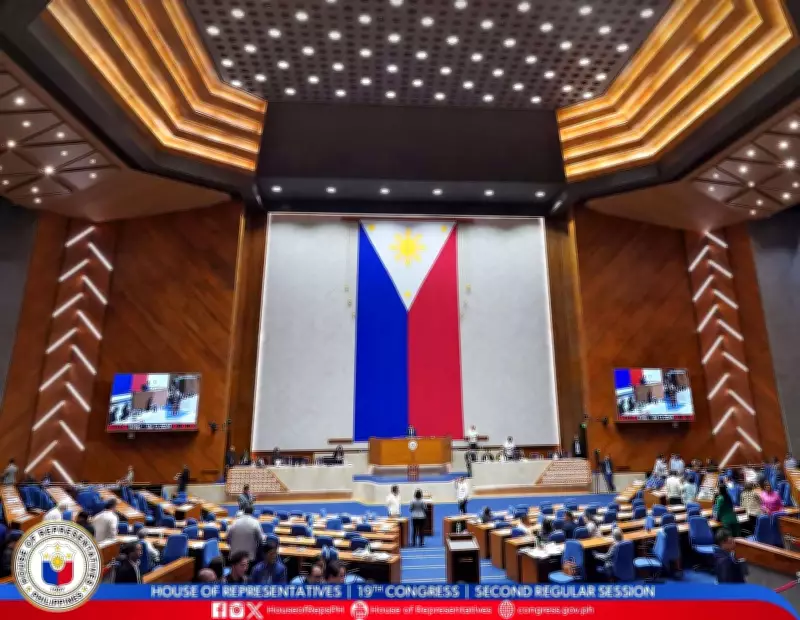
The House Committee on Tourism has given its approval to a series of legislative proposals that seek to permanently abolish the travel tax currently imposed on Filipino citizens traveling abroad. This significant move was spearheaded by Romblon Representative Eleandro Madrona, who led the committee in endorsing six separate bills, including House Bill No. 7443, which was introduced by House Majority Leader and Ilocos Norte Representative Ferdinand Alexander “Sandro” Marcos.
Funding Concerns and Agency Impact
However, the committee has emphasized that a clear and sustainable alternative funding mechanism must be established before the travel tax can be fully eliminated. Currently, the revenue generated from the travel tax is a crucial source of funding for several key agencies, including the Tourism Infrastructure and Enterprise Zone Authority, the Commission on Higher Education, and the National Commission for Culture and the Arts. Officials from these agencies have highlighted that a substantial portion of their operational budgets relies on travel tax collections, underscoring the necessity for a well-structured replacement plan to ensure their continued functionality and support for national programs.
Proposed Changes and Next Steps
Under the proposed legislation, the existing travel tax charges would be completely removed. Currently, first-class passengers are required to pay P2,700, while economy travelers are charged P1,620. The approval of these bills marks a pivotal step in the legislative process, but it is not the final hurdle. The proposals are now scheduled to be submitted to the House Committees on Ways and Means and Appropriations for further detailed discussion and review. This additional scrutiny will focus on the financial implications and the development of a robust funding alternative to offset the potential loss of revenue from the travel tax, ensuring that the abolition does not adversely affect the agencies that depend on these funds.

The move to abolish the travel tax reflects ongoing efforts to ease financial burdens on Filipino travelers and promote greater mobility, but it also highlights the complex balance between tax reform and sustainable public funding. As the bills progress through the legislative pipeline, stakeholders will closely monitor the discussions to ensure that any changes are implemented smoothly and without disrupting essential services.