The Department of Education (DepEd) is mobilizing its record P1.015-trillion national budget for 2026 to reinforce the country's education system against future disruptions, with a sharp focus on areas ravaged by natural disasters last year.
Rebuilding After the Storms: A Focus on Fast-Track Solutions
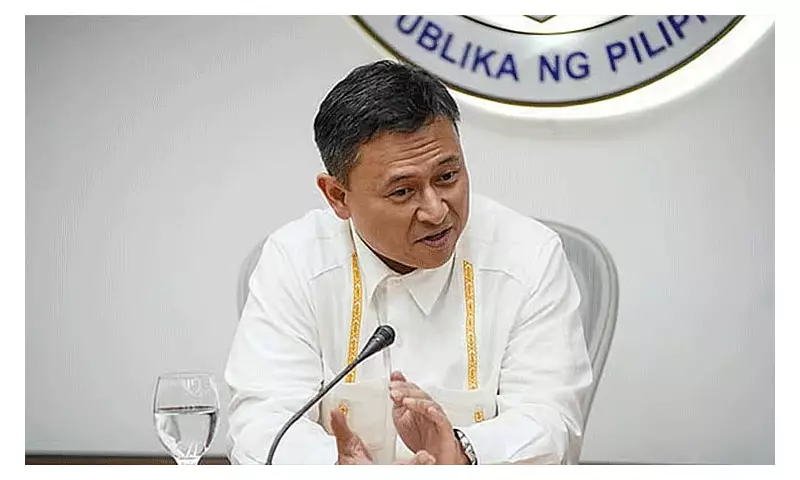
In a statement issued on Tuesday, January 6, 2026, Education Secretary Sonny Angara emphasized that ensuring uninterrupted learning remains the department's top priority. This commitment follows a challenging 2025, where public schools nationwide were severely tested by a series of major calamities.
Angara highlighted the immense impact of Super Typhoon Uwan, which according to DepEd data, damaged 2,953 schools and affected approximately 10,400 classrooms. The storm forced class suspensions that lasted for days, and in some regions, extended for weeks, significantly disrupting the academic calendar.

To swiftly address the critical lack of permanent facilities, Angara pointed to the accelerated deployment of Learning Continuity Spaces (LCS). These temporary structures can be constructed within weeks, allowing students to return to their lessons while permanent classrooms undergo repair or reconstruction.
The department is currently procuring 133 LCS units across 127 sites, primarily in regions frequently hit by typhoons and earthquakes. Angara announced that contract awards for these projects are targeted within the first quarter of 2026.
Building Back Better and Safer
Looking beyond immediate stop-gap measures, DepEd is also exploring ways to enhance the durability of these learning spaces. Secretary Angara mentioned studies into installing window shutters or storm guards to minimize damage from powerful winds during future typhoons.
The department's strategy extends far beyond bricks and mortar. Angara assured that Alternative Delivery Modalities (ADMs) will continue to be implemented in disaster-affected zones. This ensures that education persists while prioritizing the health and safety of both teachers and learners.
"It is important for DepEd to ensure that our learners can continue their education even in the presence of disasters," Angara stated in Filipino, noting that all interventions will be customized to the specific needs of each affected school community.
A New Policy for Safe and Inclusive Schools
Parallel to its disaster response efforts, DepEd is set to roll out a significant new policy in early 2026. Angara revealed the department plans to issue guidelines within the first quarter of the year aimed at fostering a safe, inclusive, and motivating learning environment.
This policy will firmly reiterate that schools must be zones free from all forms of violence, harassment, and bullying. Furthermore, it is designed to:
- Strengthen prevention and response mechanisms for Learner Rights and Protection (LRP) concerns.
- Reduce related cases reported nationwide.
- Encourage greater involvement from parents and other stakeholders in addressing issues that affect the school community.
Bolstered by its expanded budget, the Department of Education asserts its unwavering commitment to constructing a more resilient, inclusive, and learner-centered education system. This pledge comes as the Philippines confronts the growing and recurrent challenges posed by a changing climate and natural disasters.