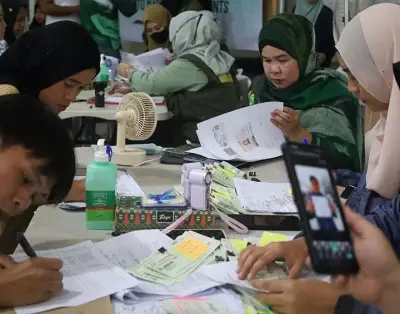
In a significant move to bolster higher education accessibility, Senator Sherwin Gatchalian has revealed that the 2026 national budget includes a substantial PHP4 billion allocation specifically designated for enhancing state universities and colleges (SUCs) across the Philippines. This funding is aimed at constructing additional classrooms, upgrading existing facilities, and creating more opportunities for deserving students nationwide.
Addressing Critical Capacity Shortfalls
As the chairperson of the Senate Committee on Finance, Gatchalian emphasized in a recent news release that this allocation will empower 114 SUCs to significantly expand their enrollment capacity. He highlighted a pressing issue: many qualified students are currently being turned away due to limited infrastructure and resources, despite meeting all admission requirements.
Alarming Statistics on Student Denials
An analysis conducted by the senator's office uncovered that capacity constraints have led to a staggering 168,493 students being denied admission, even though they were fully qualified for enrollment. Furthermore, data submitted by 62 SUCs indicates that 32 institutions have already exceeded their capacity, with 11 of these operating at 100 percent occupancy, leaving no room for additional learners.

Gatchalian stated, "Though college education is free, many of our youth remain unenrolled due to the lack of facilities and capacities of our SUCs. We must ensure that all learners are provided the opportunity to continue their studies."
Historic Investment in Education
The senator underscored that this PHP4 billion fund represents a historic investment in the education sector, designed to ensure that every SUC has the necessary resources to enhance its ability to accept more students. "That's why under the historic funds allotted for the education sector, all SUCs are assured of funds to enhance their ability to accept more students," he added, reinforcing the government's commitment to addressing these systemic challenges.
This initiative is expected to not only alleviate current bottlenecks but also pave the way for a more inclusive and robust higher education system, ultimately benefiting thousands of aspiring students across the country.