Thousands of nursing and allied health students across the Philippines have received significant financial relief with the formal allocation of P500 million in the 2026 national budget to cover their mandatory training fees.
Longstanding Burden Finally Addressed
For years, students pursuing careers in healthcare have shouldered the heavy cost of Related Learning Experience (RLE) fees, a mandatory component of their education not covered by standard tuition. These fees, which can range from P100,000 to P200,000 over a four-year degree, have pushed many families into debt or forced students to abandon their studies entirely.
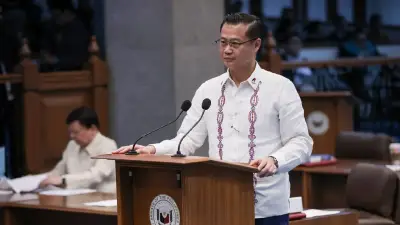
Senator Bam Aquino championed the inclusion of the P500-million fund as part of the larger P1.38-trillion education budget. He argued that the current system is unjust, even for students benefiting from free college programs or scholarships, as RLE costs remain a separate, often prohibitive, expense.

How the Funding Will Work
The allocated amount will be channeled through the Higher Education Development Program (HEDP). It is designed to cover RLE fees for a wide range of critical healthcare courses including:
- Nursing and Midwifery
- Medical Technology / Medical Laboratory Science
- Pharmacy, Physical Therapy, and Occupational Therapy
- Respiratory Therapy, Radiologic Technology
- Nutrition and Dietetics, Psychology, Dentistry
- Biochemistry and Speech-Language Pathology
An estimated 20,000 students are projected to benefit this year, with each receiving between P10,000 to P20,000 in assistance.
Streamlined Process for Students
The mechanism for disbursement aims to remove the burden from students directly. State and local universities will submit their projected RLE costs to the Commission on Higher Education (CHED). CHED will then pay these fees through the UniFAST system, ensuring the costs do not appear on student enrollment bills.
Students enrolled in accredited private institutions can apply for support through the existing Tertiary Education Subsidy (TES) program to cover their RLE expenses.
A Step Toward Permanent Reform
While the 2026 budget allocation provides urgent and welcome relief, Senator Aquino is also pushing for a permanent legislative solution. He has filed Senate Bill No. 123, the Libreng RLE Act, which seeks to officially and permanently make clinical training free for poor but deserving students.
Aquino highlighted that many families take out loans to support their children through these programs, only to find that the starting salary of a local nurse is insufficient to repay the debt. This funding is seen not only as an educational subsidy but also as a strategic move to help prevent the exodus of Filipino healthcare workers abroad by making local education more accessible and less financially crippling.