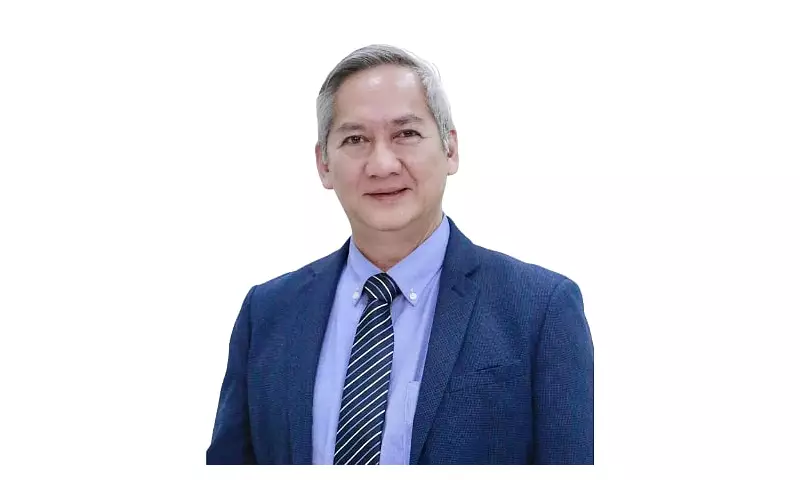
DOST-Davao Chief Honored with Prestigious Presidential Award
Dr. Anthony C. Sales, the Regional Director of the Department of Science and Technology (DOST) in Davao, has been named the exclusive recipient of the 2024 Presidential Gawad Career Executive Service (CES) Award. This distinguished honor is presented each year to members of the Career Executive Service who have demonstrated outstanding performance and made significant contributions to public service in the Philippines.
Driving Innovation and Inclusive Growth in Mindanao
The Career Executive Service Board (CESB) recognized Dr. Sales for his exceptional leadership, which transformed DOST-Davao into a benchmark for good governance and innovation-driven development. His efforts have been pivotal in establishing Science, Technology, and Innovation (STI) as key drivers for inclusive economic growth throughout the region.
Among his flagship programs is the Grassroots Innovation for Inclusive Development (GRIND). Launched in 2019, this initiative supports innovators from marginalized sectors, including Indigenous Peoples, farmers, and artisans. To date, the program has:

- Mapped and supported over 600 community-based innovations.
- Assisted 77 grassroots innovators.
- Helped establish sustainable enterprises in 37 communities nationwide.
The success of GRIND has led to its adoption by other DOST regional offices as part of a national rollout.
Pioneering Centers and Pandemic Response
Dr. Sales also spearheaded the creation of the Food Processing Innovation Center (FPIC)-Davao, the first facility of its kind in the country. This center acts as a research and development hub for students, entrepreneurs, and small businesses in the food sector, providing critical resources for product development, testing, and training. Its operational model has been replicated in other regions, and its impact earned the Civil Service Commission Pagasa Award in 2023.
In the realm of Halal development, Dr. Sales led the Halal S&T Program, which fortified the scientific foundation of the country's Halal industry. The program established internationally accredited Halal laboratories and produced 32 Halal-compliant food prototypes, opening up global market opportunities for local businesses. A complementary Halal Blockchain Project introduced a digital traceability system for verifying Halal products within the cacao industry.
During the Covid-19 pandemic, Dr. Sales oversaw the development of the DOST-Davao Pandemic Manual, a pioneering operational guide that ensured service continuity and employee safety. This manual was subsequently adopted by DOST offices across the country and by partner agencies. Under his leadership, DOST Davao recorded zero Covid-19 cases among its personnel and supported vaccination efforts for more than 9,000 government workers in the Davao Region.
Building a Legacy of Collaborative Governance
Dr. Sales championed organizational reforms through the Performance Governance System (PGS), a framework for achieving institutional excellence. DOST-Davao became the first DOST regional office to receive two Gold Trailblazer Awards from the Institute for Solidarity in Asia and is now progressing to the next level of governance maturity.
He also institutionalized the Pentahelix approach at DOST-Davao, uniting government, academe, industry, civil society, and media to advance the regional science and innovation ecosystem. This collaborative model led to the successful launch of the Mindanao SETI Ecosystem, the development of international partnerships for technology transfer, and the fostering of inclusive, community-driven innovation programs.
Reflecting on the award, Dr. Sales emphasized that it represents a collective achievement. “This is our triumph! Congratulations to everyone in DOST who continues to work tirelessly for science, innovation, and public service. This recognition is a shared achievement of all who believe in the power of Science to change lives,” he said.

The Gawad CES Award underscores Dr. Sales' commitment to bringing change, expertise, and leadership where they are most needed. It highlights the critical role of science-based leadership in regional development and demonstrates how effective governance can drive innovation and empower Filipino communities.