Six irrigators associations from Zamboanga del Norte have significantly enhanced their capabilities in sustainable farming after successfully completing an intensive three-day training program on composting facility operations and maintenance.
Comprehensive Training Program
The specialized training was conducted by the Department of Agriculture–Bureau of Soils and Water Management (DA-BSWM) from November 18 to November 20 in Dipolog City, the provincial capital. The program brought together composting facility beneficiary-associations from across the region.
The participating irrigators associations included:

- Dipolog-Polanco IA (Dipolog City)
- Batayan-United Farmers IA (Kalawit)
- Silalela IA (Polanco)
- Don Federico IA (Sindangan)
- Upper Lower Irasan IA (Roxas)
- Dansalan Makugihon IA (Labason)
Practical Skills Development
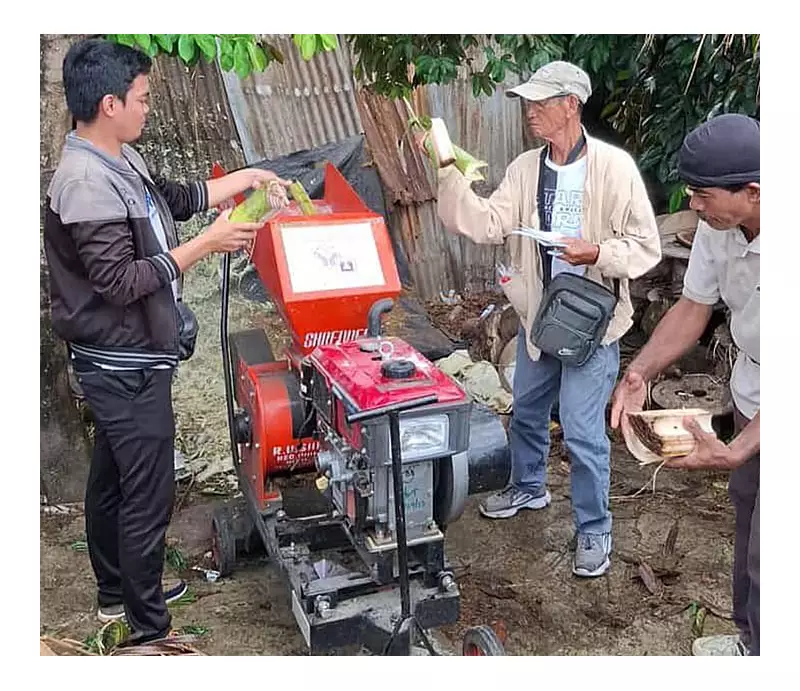
Throughout the three-day program, participants received comprehensive instruction covering multiple aspects of composting facility management. The training emphasized hands-on learning with modules on:
Equipment operation and routine maintenance formed a core component, ensuring farmers can properly handle composting machinery. Participants also mastered composting procedures and troubleshooting techniques to address common operational challenges.
Safety protocols were thoroughly discussed to ensure proper handling of biodegradable materials and equipment. The training highlighted how locally produced organic fertilizer can significantly improve soil fertility while reducing dependence on commercial chemical inputs.
Sustainable Agriculture Impact
The National Irrigation Administration-Zamboanga Peninsula emphasized that this initiative strengthens the government's commitment to promoting environmentally sound farming practices and improving organic waste management in irrigated communities.
According to NIA-Zamboanga Peninsula, the skills acquired during the training are expected to drive long-term improvements in soil health and crop productivity. Farmers will benefit from reduced production costs while building resilience against changing climate conditions.
The training was organized through collaboration between NIA-Zamboanga del Norte Regional Sub-Office and the NIA-Zamboanga Peninsula Office, demonstrating coordinated efforts to advance sustainable agriculture in the region.
This capacity-building initiative represents a significant step toward creating a more sustainable and food-secure Zamboanga del Norte, with farmers now better equipped to implement community-led environmental stewardship through effective composting practices.