In response to escalating fuel costs triggered by ongoing tensions in the Middle East, the National Government has pledged comprehensive cash assistance to farmers and fisherfolk. This initiative aims to safeguard the nation's food supply chain and alleviate economic pressures on agricultural workers.
Immediate Fuel Subsidy Distribution
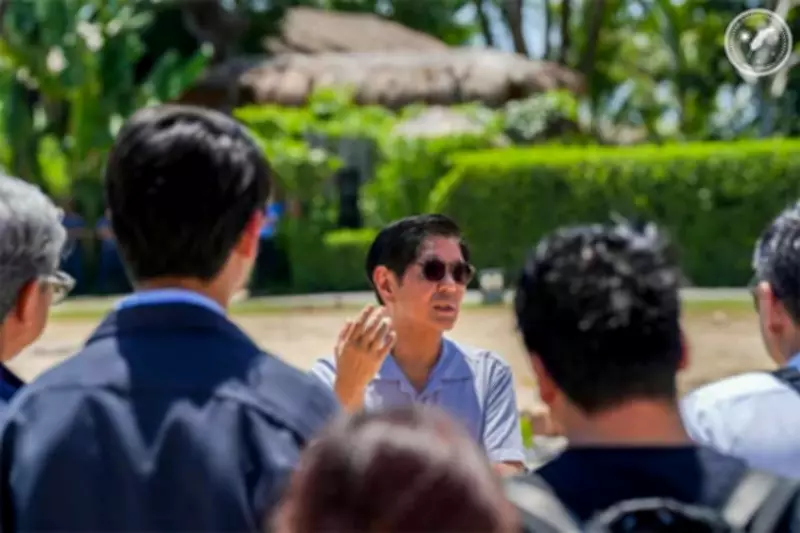
President Ferdinand Marcos Jr., in a recent video address, confirmed that the Department of Agriculture will proceed with distributing a P3,000 fuel subsidy to approximately 26,000 eligible farmers. Simultaneously, the Bureau of Fisheries and Aquatic Resources (BFAR) will extend the same P3,000 subsidy to around 26,000 fishermen, with distributions commencing on March 19, 2026.
Additional Financial Support in April
Further bolstering these efforts, the Department of Agriculture is set to distribute over P2,000 in aid per individual through the Presidential Assistance for Farmers and Fisherfolk Program in April. President Marcos emphasized that this financial support is specifically designed to help farmers sustain their livelihoods during these challenging times.

Call to Local Government Units
The President issued a direct appeal to Local Government Units (LGUs), urging them to allocate portions of their Local Government Support Fund to purchase local rice for their communities. Additionally, he called for the immediate elimination of pass-through fees imposed on vehicles transporting goods.
"I have received reports that some barangays are still collecting these fees per sack of rice and per vehicle. This must stop, as it only drives up the prices of goods," Marcos stated, highlighting the inflationary impact of such charges.
Broader Government Measures
Beyond agricultural support, the government is implementing a multi-faceted approach to cushion the broader effects of the looming oil crisis. Key measures include:
- A review of payment policies for licenses, permits, clearances, and certifications to potentially suspend or reduce fees, thereby easing public burden.
- Initiatives by the Civil Aviation Authority of the Philippines to lower passenger service charges, landing fees, and parking fees, which could reduce airline operational costs and lead to lower airfares.
- A reduction in the fuel surcharge review period by the Civil Aeronautics Board from one month to 15 days, enabling quicker adjustments to airfares in response to jet fuel price fluctuations.
Focus on Youth and Education
President Marcos also addressed youth welfare, reiterating the prohibition of mandatory school contributions, especially during graduation season. On March 25, the Department of Education will launch a Serbisyo fair, connecting high school and graduating students with hiring employers to enhance career opportunities.
A Message of Unity and Resilience
In his concluding remarks, the President underscored the necessity of collective effort and mutual trust in overcoming current challenges. "Now more than ever, we need everyone's cooperation. No one should be left behind as we face this challenge," he asserted, reaffirming the government's commitment to mitigating the impact of Middle East tensions on the public.
This comprehensive assistance package reflects the administration's proactive stance in addressing economic disruptions while prioritizing food security and social welfare during a period of global uncertainty.