Negros Occidental Provincial Government Distributes Over P700,000 in Agricultural Inputs to La Castellana Farmers
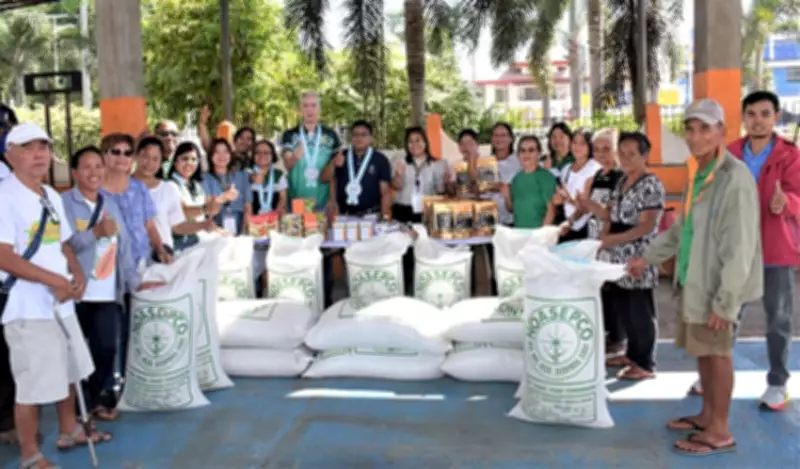
In a significant move to bolster agricultural recovery, the Negros Occidental Provincial Government has distributed more than P700,000 worth of agricultural inputs to farmers in La Castellana who were affected by recent calamities. This distribution event took place on February 16, 2026, marking a crucial step in supporting the local farming community.
Leadership and Coordination in Aid Distribution
The distribution was spearheaded by Governor Eugenio Jose Lacson, who was joined by La Castellana Mayor Añejo Nicor and Officer-in-Charge Provincial Agriculturist Dr. Dina Genzola. Their presence underscored the collaborative effort between provincial and local government units to address the needs of affected farmers.
Governor Lacson emphasized in a statement the Provincial Government's unwavering commitment to strengthening the resilience of the agriculture sector. He highlighted that this initiative is designed to ensure that farmers can rebuild and sustain their livelihoods in the face of adversity.

Program Details and Objectives
The assistance is part of the Disaster Risk Reduction Program on Climate Resiliency, which is implemented through the Office of the Provincial Agriculturist. This program coordinates with local government units in areas impacted by calamities to provide timely and effective support.
The distributed agricultural inputs included:
- Certified seeds
- Fertilizers
- Other essential farm supplies
According to Governor Lacson, the primary goal of this initiative is to help farmers quickly recover by restoring crop production and offering livelihood support. This approach aims to mitigate the long-term effects of disasters on agricultural productivity and community stability.
Impact on the Agricultural Sector
This distribution of over P700,000 in aid represents a substantial investment in the resilience of Negros Occidental's agriculture sector. By providing critical inputs, the Provincial Government is not only addressing immediate needs but also fostering sustainable farming practices that can withstand future challenges.
The effort reflects a broader strategy to enhance climate resilience and ensure food security in the region, demonstrating a proactive response to the vulnerabilities faced by farmers in calamity-prone areas.