The Southern Philippines Medical Center (SPMC) is urging the public to bring snakebite victims to the nearest hospital immediately instead of applying traditional first aid, as snakebite cases continue to increase in Davao Region due to greater public awareness of the hospital's antivenom services and the effects of urbanization.
Snakebite Cases on the Rise
Dr. Ella Joy Nogas, medical specialist at the Poison Treatment and Control Institute of SPMC, said snakebite has remained among the top three cases handled by the Poison Center since 2015. She said the hospital now receives about 600 snakebite cases annually, compared with fewer than 200 cases when the center first started.
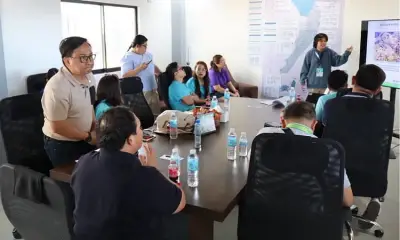
"Wala po tayong gagawin na first aid. But to transport the patient immediately to the hospital (We do not recommend any first aid. The patient should be transported immediately to the hospital)," she said during the Kapehan sa Dabaw on Monday, June 29, 2026, at SM City Davao.

Traditional Practices Delay Treatment
Nogas said many people still rely on traditional practices that only delay proper treatment. She recalled a recent case in which a patient died after arriving at the hospital about two hours after being bitten by a snake. "Please, wala po tayong first aid. Just transport the patient immediately to us," she emphasized.
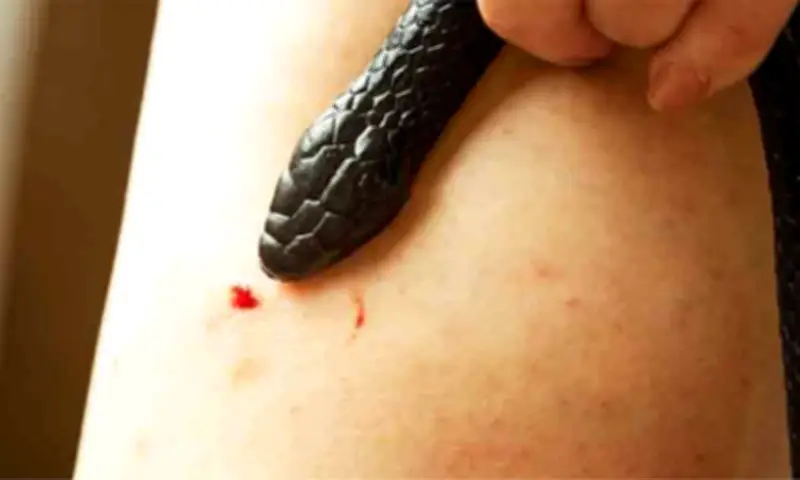
She explained that not all snakebites require antivenom because some are "dry bites" that do not inject venom. However, every snakebite should still be evaluated by trained health workers because it is impossible to determine immediately whether envenomation has occurred. According to ScienceDirect, envenomation occurs when a venomous animal injects toxic secretions into a victim's body, primarily through a bite (e.g., snakes, spiders) or a sting (e.g., scorpions, bees, marine life).
SPMC as Referral Center for Antivenom
Nogas reported that SPMC has antivenom for cobra and king cobra bites, making it a referral center for severe snakebite cases from different provinces. She said patients from other hospitals are transferred to SPMC when additional antivenom is needed.
Urbanization Contributes to Snake Encounters
She added that urbanization has also contributed to the increasing encounters between people and snakes. "Nag urbanised kase masyado yung Davao. The forest areas before became subdivisions. So, we are invading the snake's environment (Davao has become highly urbanized. Forest areas have turned into subdivisions, so we are invading the snakes' habitat)," she said.
According to the United Nations Environment Programme (UNEP), urbanization is a major factor in wildlife’s habitat loss and destruction. It also defines urbanization as the conversion of forests, wetlands, grasslands, and other natural habitats into roads, buildings, and infrastructure, which reduces the space available for animals to find food, shelter, and breeding areas.
Improving Emergency Response
To improve emergency response, Nogas said SPMC, together with Central 911 and the Bureau of Fire Protection, has started conducting the Chemical Safety and Snakebite Care Caravan, which trains barangay responders and barangay health workers across Davao City to recognize and properly manage snakebite emergencies before patients are transported to hospitals.