The Department of Health in Central Visayas (DOH 7) has issued a warning about a simultaneous rise in infectious and non-communicable diseases during the hot season, with dengue cases and deaths climbing significantly across the region.
Dengue Cases and Deaths Surge
From January to the second week of May 2026, Central Visayas recorded 2,425 dengue cases and 18 deaths. This represents an 80 percent increase in fatalities compared with the same period last year, according to DOH 7 data.
Ronald Jarvik Buscato, head of the DOH 7 Communicable Diseases Section, reported that the region also logged approximately 11,000 animal bite incidents in the first quarter of 2026, highlighting rabies exposure as another growing concern. Other commonly reported infectious diseases include sore eyes and chickenpox, with chickenpox remaining most prevalent among school-aged children.

Extreme Heat Worsens Non-Communicable Diseases
DOH 7 noted an expected increase in heat stroke and heat exhaustion cases during the summer months. Buscato warned that patients with lifestyle-related conditions such as hypertension and diabetes may experience complications due to extreme heat.
Water Storage Fuels Mosquito Breeding
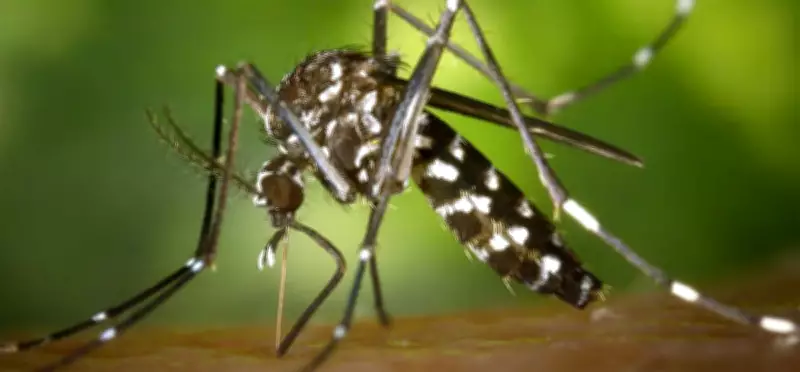
The summer season contributes to increased dengue transmission because unstable water supplies prompt households to store water. Improperly covered or unattended containers become ideal breeding sites for mosquitoes. Even small items like plant pots and flower vases can serve as mosquito habitats if not cleaned regularly.
Changing Dengue Demographics
Buscato observed a shift in dengue demographics, with more cases now occurring among individuals in early to middle adulthood. In previous years, infections were more common among school-aged children. He attributed the decline in younger individuals to stronger school-based awareness and prevention campaigns. However, adults remain vulnerable, particularly those traveling to or staying in areas with limited water supply and inadequate mosquito control measures, especially in rural communities.
Vaccination and Prevention Challenges
Buscato also raised concerns about rabies, linking the increase in cases to a growing number of pet owners and challenges in ensuring responsible animal vaccination. Vaccine hesitancy remains a major obstacle for DOH 7 in controlling preventable diseases.
“We are trying to mitigate the situation because classes will soon resume, and we have to ensure there is no transmission in schools so that diseases will not increase or spread,” Buscato said.
He urged the public to follow the agency’s “4Ts” dengue prevention campaign — Taob, Taktak, Tuyo ug Takip — emphasizing the importance of regularly emptying, cleaning, and covering all water containers. Households should inspect and replace stored water at least every seven days, or more frequently if possible, to prevent mosquito breeding.
Buscato reiterated that sustained community action is crucial as the region enters the hotter months, when disease transmission risks are typically higher.