The Department of Environment and Natural Resources in Soccsksargen (DENR–Soccsksargen) has officially endorsed the temporary closure of the renowned Lake Holon, a move initiated by the Tboli Municipality to safeguard its delicate ecosystem. The closure, which began on January 3, 2026, will remain in effect until March 2026.
Annual Closure for Ecological Recovery
In a statement, DENR–Soccsksargen emphasized that this annual closure is a vital conservation strategy. The department called on the public to respect the measure, highlighting the collective effort needed to protect Lake Holon for future generations. The primary goals are to protect the lake's rich biodiversity, preserve its exceptional water quality, and ensure the area's long-term sustainability.
Limiting human activity during this period is crucial for maintaining the ecological balance and promoting responsible ecotourism practices, the agency explained. The initiative aligns with national environmental laws and the principles of sustainable protected area management, including the Expanded National Integrated Protected Areas System (Enipas) framework.

Municipal Order Enforces Protection
The closure was formally ordered by the Tboli Local Government Unit (LGU) through Municipal Executive Order No. 63, Series of 2025. Local officials stated that this yearly pause is a critical strategy to prevent environmental degradation caused by excessive foot traffic, waste accumulation, and camping activities.
By minimizing human presence, authorities allow the lake's ecosystem a necessary window to regenerate naturally. This period of rest helps mitigate the impacts of tourism and supports the overall health of the environment.
A Premier Destination Under Protection
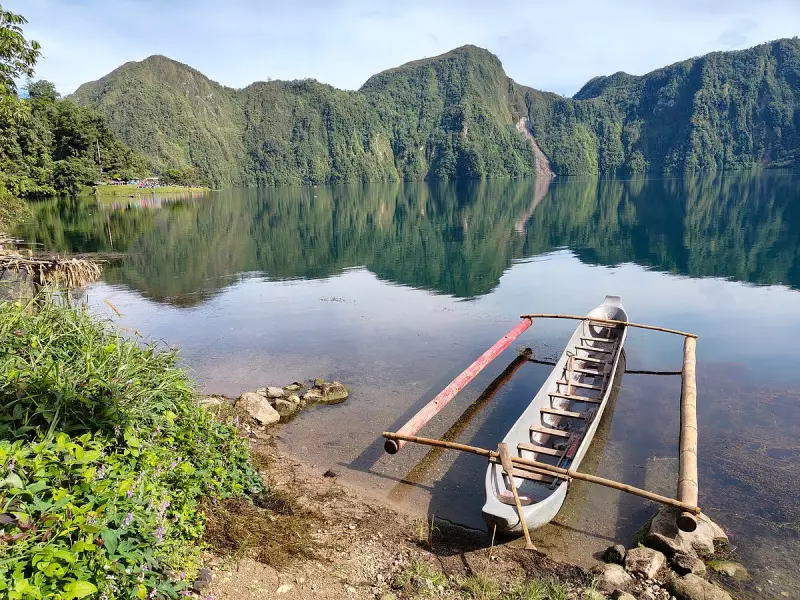
Lake Holon, also known as Lake Maughan, is a stunning crater lake located within the Allah Valley Protected Landscape (AVPL) in South Cotabato. It is celebrated as one of the cleanest inland bodies of water in the Philippines and has earned both national and international acclaim as a top-tier hiking and camping destination.
In related developments, the Tboli LGU is currently pursuing an application for the area to be covered under a Special Use Agreement in Protected Area (Sapa), which would provide a structured framework for its management and sustainable use moving forward.