The Philippine Institute of Volcanology and Seismology (Phivolcs) has escalated the threat level of the iconic Mayon Volcano, raising its alert status to Level 3 on Tuesday, January 6, 2026. This significant move indicates a heightened probability of a hazardous eruption in the coming days or weeks.
Signs of Magmatic Unrest
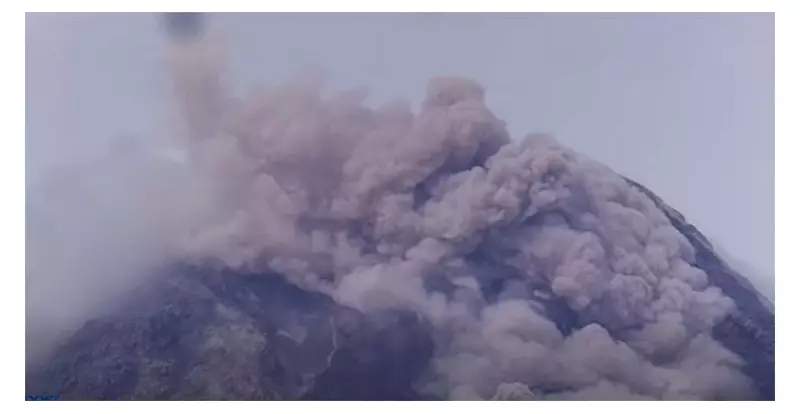
According to the state volcanology agency, Mayon is now exhibiting a magmatic eruption characterized by a summit lava dome. This activity signals that molten rock is reaching the surface, increasing the potential for dangerous lava flows and sudden, fast-moving avalanches of hot gas and volcanic matter.
The first pyroclastic density currents (PDCs) were recorded at 12:26 p.m. on January 6, originating from the collapse of newly extruded lava in the Bonga Gully on the volcano's southeast flank. Seismic data indicates these hazardous flows lasted for at least three minutes and traveled within a two-kilometer radius from the summit crater.

Immediate Dangers and Government Response
Phivolcs has issued stern warnings to communities surrounding the volcano. The primary threats include ashfall and the potential for explosive eruptions with little warning. The agency strictly prohibits any entry into the six-kilometer radius Permanent Danger Zone (PDZ). Aviation authorities have also been alerted, banning any aircraft flights near the volcano's summit.
In response to the elevated threat, the local government of Camalig in Albay province has announced the mandatory evacuation of all residents living within the defined six-kilometer PDZ. This proactive measure aims to prevent potential loss of life from sudden volcanic events.
What Alert Level 3 Means for Albay
Alert Level 3 signifies a critical increase in volcanic activity, denoting a high level of unrest. The situation is characterized by an increased tendency towards a hazardous eruption. Residents in areas at risk are advised to:
- Prepare for possible evacuation and heed all directives from local disaster authorities.
- Be vigilant for ashfall and cover noses and mouths with damp cloths if it occurs.
- Avoid river channels and low-lying areas where lahar (volcanic mudflow) and PDCs may flow.
The last major eruption of Mayon Volcano occurred in 2018, leading to massive evacuations and disruption in the region. Phivolcs continues to monitor the volcano 24/7 and will provide updates as the situation develops. The public is urged to rely only on official information from Phivolcs and the Office of Civil Defense.