Government agencies and local stakeholders have adopted a unified master plan for the Mindanao River Basin, a move aimed at strengthening flood control, protecting agricultural production, and improving climate resilience across key economic areas in Mindanao.
Framework Approved in General Santos City
The framework, approved during the May 12 executive meeting of the Mindanao River Basin Management Council in General Santos City, seeks to harmonize the implementation of flood mitigation, watershed rehabilitation, and water resource management projects across the island.
Leo Tereso Magno, chairperson of the Mindanao Development Authority, said the initiative aims to eliminate overlapping government programs and ensure more efficient use of public funds.

“Different agencies are already implementing programs, but what we really need now is to unify our efforts. Otherwise, work may be duplicated and the government’s time and financial resources could go to waste,” Magno said.
He added that the Office of the Executive Secretary directed concerned agencies to revisit and update the existing master plan to improve coordination among national agencies and local government units.
“We will make sure that resources are not wasted, that projects are implemented properly, and that the people of Mindanao see the results in improved flood control, watershed protection, and climate resilience,” he added.
Importance of the Mindanao River Basin
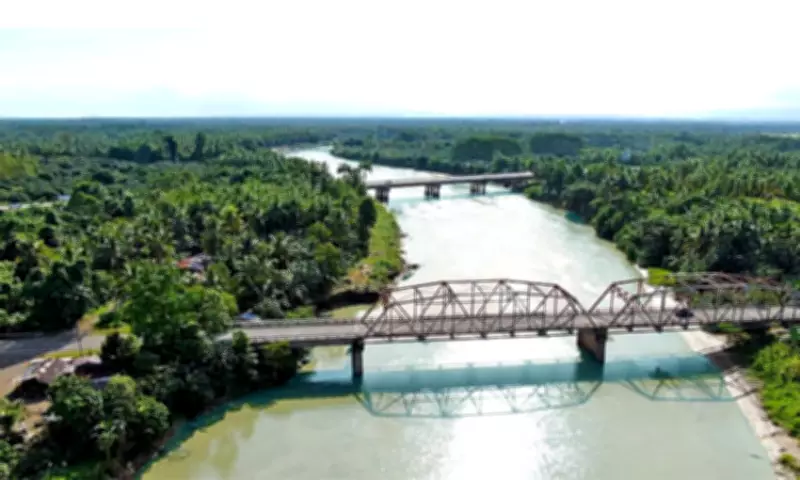
The Mindanao River Basin is the country’s second-largest river basin and one of the island’s most important ecological and economic resources. It covers parts of Central Mindanao and nearby regions and supports major agricultural areas producing rice, corn, bananas, and other high-value crops for domestic and export markets.
Its river systems also provide irrigation, support fisheries and aquaculture, and supply water for households and industries. Several communities and business centers across Mindanao rely on the basin for transportation, livelihood, and power generation.
Environmental Pressures and Challenges
Officials said the basin has become increasingly vulnerable to flooding, deforestation, illegal logging, siltation, and climate-related disruptions, including prolonged droughts and stronger weather disturbances. These environmental pressures have repeatedly affected agricultural output, damaged infrastructure, and displaced communities in low-lying areas.
Authorities said the unified master plan will integrate infrastructure projects, watershed conservation efforts, and climate-adaptive measures to reduce economic losses and strengthen long-term sustainability in Mindanao.
The initiative also supports the national government’s food security agenda by protecting agricultural production areas and improving water reliability for farmers across the island.