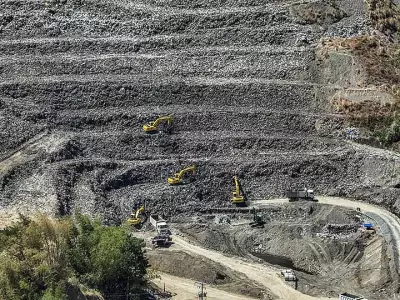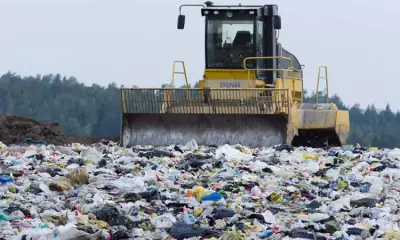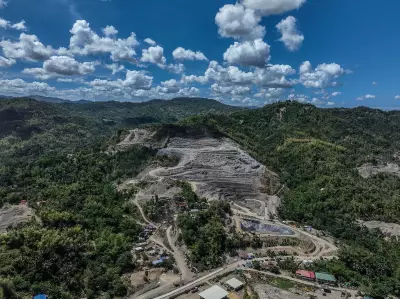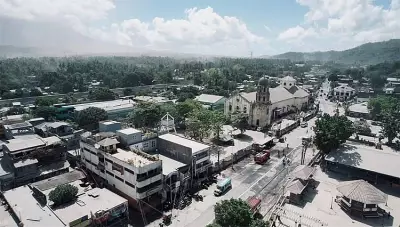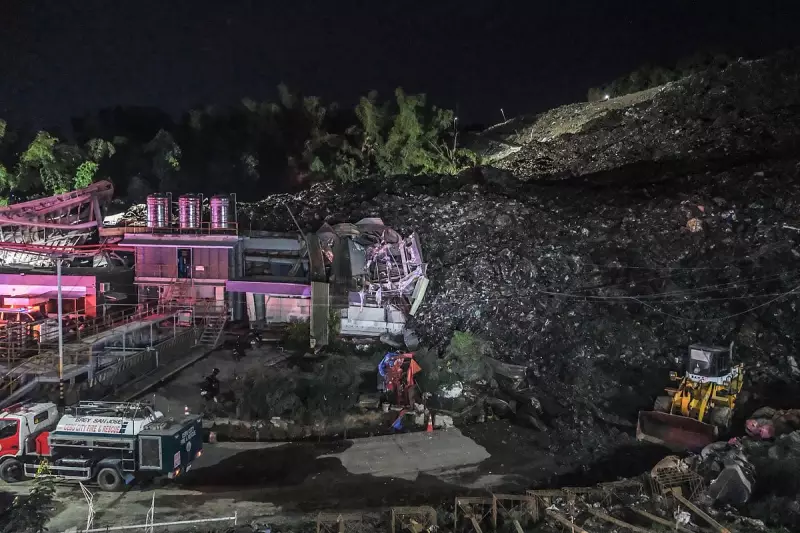
The catastrophic collapse of the Binaliw landfill in Cebu City on January 8, 2026, which buried workers and caused multiple fatalities, was the tragic culmination of nearly a decade of operational controversies, regulatory challenges, and persistent community complaints. The facility, located in the mountain barangay of Binaliw, had long been under intense scrutiny from residents, environmental regulators, and city officials before the disaster that captured global attention.
A Contested Beginning: Permits and Early Warnings
The story of the landfill began when the Department of Environment and Natural Resources (DENR) issued an Environmental Compliance Certificate (ECC) to ARN Central Waste Management Inc. (ACI) on November 3, 2017. This certificate mandated strict adherence to environmental safeguards for waste disposal. By April 2018, the Cebu City Zoning Board had approved a special land use permit for the development of a 10-hectare private sanitary landfill in Sitio Kainsikan, pending City Council approval.
During public hearings, residents from Binaliw and nearby communities raised concerns, seeking safety assurances and proper fencing. Project consultants assured officials that the facility would follow sanitary landfill standards, utilizing two dumping pits with projected lifespans of five and 15 years.

Mounting Violations and Political Debates
Problems emerged swiftly. Between May and June 2019, the Environmental Management Bureau 7 issued violation notices against ACI for improper garbage hauling and failure to submit required monitoring reports. The operator acknowledged these deficiencies. Simultaneously, barangay officials and residents began complaining of foul odors and associated health risks, questioning whether actual operations matched the approved permits.
The City Government, through the Department of Public Services, signed a P65-million contract with ACI in June 2019 after a bidding process. This move sparked debate among city officials about the partnership's long-term viability. Criticisms grew louder, notably from Councilor Joel Garganera, who argued the facility failed to meet sanitary standards. He famously criticized the design, accusing operators of "mining" the mountain to create a new "mountain of garbage," likening it to an open dumpsite.
Despite unresolved environmental concerns, the City began dumping waste at the site in July 2019 after then-Mayor Tomas Osmeña signed the disposal contract. The DENR amended the landfill's ECC on June 3, 2020, imposing additional conditions. ACI committed to improvements, including enhanced monitoring systems.
Management Change and Unresolved Issues
In a significant shift, Prime Integrated Waste Solutions Inc. (PWS), a subsidiary of Enrique Razon Jr.'s Prime Infrastructure Capital Inc., took over landfill operations in January 2023 after acquiring ACI. The new management launched an automated materials recovery facility in March 2024, marketed as the Philippines' first, aiming to reduce landfill residue to 20%.
However, core problems persisted. An inspection on August 30, 2024, by the Cebu City Solid Waste Management Board found the landfill in violation of the Ecological Solid Waste Management Act. Officials noted portions resembled open dumping. The city ordered corrective measures but stopped short of suspension, drawing criticism. The following month, over 150 residents petitioned the city over persistent foul odors, health risks, and fly infestations.
In June 2025, Mayor-elect Nestor Archival issued a stern warning, stating he would shut down the landfill if violations involving untreated wastewater and foul odors continued. He emphasized that protecting public health would be his administration's priority.
The Final Collapse and Aftermath
Tragedy struck past 4 p.m. on January 8, 2026, when a large portion of the landfill collapsed, triggering a landslide that buried workers and structures. The immediate rescue response could not prevent multiple fatalities and injuries.

In the aftermath, authorities suspended all operations at the site, severely disrupting waste disposal for Cebu City and neighboring areas. The disaster has renewed urgent calls for stricter enforcement of environmental laws and a comprehensive review of regional waste management systems, highlighting the dire consequences of prolonged regulatory and operational failures.