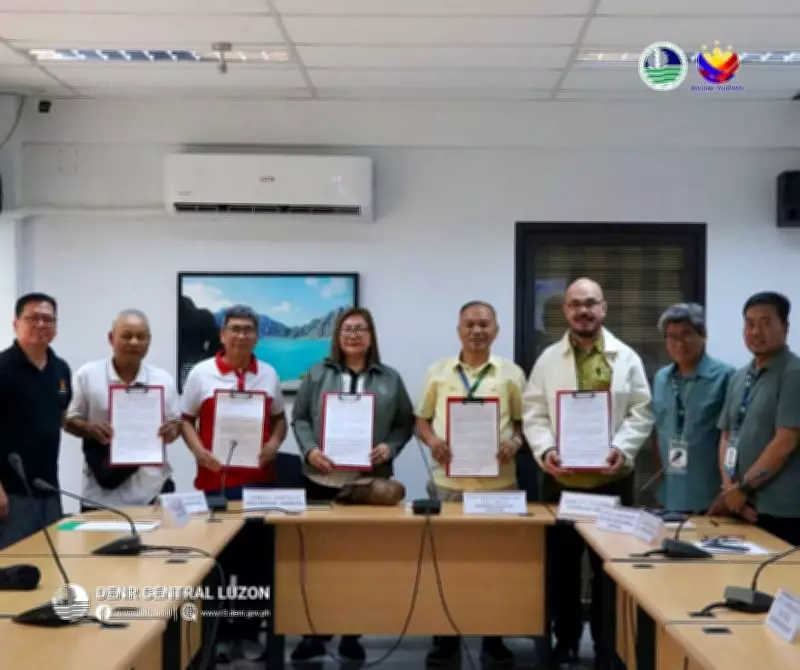
The Department of Environment and Natural Resources (DENR) has officially launched a major new conservation initiative called Project BLUE in the coastal town of Masinloc, located in Zambales province. This ambitious seven-year program is formally titled "Balanced and Healthful Life Underwater Ecosystem: A Journey to 1 Million Pawikan Hatchlings." The project represents a significant step forward in efforts to protect marine turtles, commonly known as pawikan, and their critical coastal habitats across the region.
Protecting Threatened Marine Species
Pawikan, or marine turtles, are classified as threatened species both nationally in the Philippines and globally by international conservation organizations. Despite these challenges, these remarkable creatures continue to inhabit the coastal waters surrounding Masinloc, making this area particularly important for conservation activities. The ongoing presence of marine turtles in these waters underscores the ecological significance of the region and highlights the urgent need for targeted protection measures.
A Comprehensive Conservation Approach
Project BLUE takes a multifaceted approach to marine turtle conservation that extends beyond simple protection measures. The initiative aims to safeguard marine turtles and their coastal habitats while simultaneously helping coastal communities develop sustainable livelihood opportunities that do not harm these vulnerable ecosystems. This dual focus on environmental protection and community development represents a forward-thinking strategy for conservation work in the Philippines.

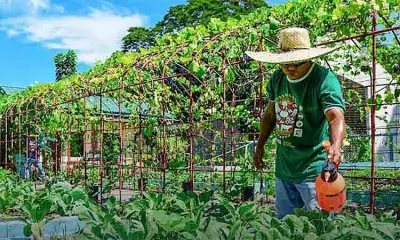
The project actively encourages participating fishermen to adopt alternative livelihoods that avoid damaging turtle nesting and feeding habitats. These community members are engaged directly in hatchery operations and various conservation activities, creating a sense of ownership and responsibility for the project's success. By involving local residents in conservation work, Project BLUE builds community support while providing valuable environmental education.
Strategic Partnerships for Success
The DENR provides comprehensive technical and administrative guidance for Project BLUE, supervising hatchery management and facilitating necessary environmental compliance and permits. The agency also leads planning and evaluation activities to ensure the project remains on track toward its conservation goals. This governmental oversight ensures that all activities adhere to national environmental standards and conservation best practices.
San Miguel Global Power (SMGP) Foundation Inc. serves as the primary project sponsor, providing crucial financial support for hatchery operations, conservation interventions, and livelihood programs for partner communities. This corporate partnership demonstrates how private sector organizations can contribute meaningfully to environmental conservation efforts in the Philippines.
The Samahang Mangingisda ng Barangay Bani Association Inc. collaborates closely with DENR in hatchery management, hatchling releases, and community mobilization activities. This local fishermen's association plays a vital role in identifying turtle-safe livelihood options for its members and ensuring community participation in conservation activities. Their involvement helps bridge the gap between conservation goals and local community needs.
Long-Term Environmental Impact
With its seven-year timeline and ambitious goal of producing one million pawikan hatchlings, Project BLUE represents a long-term commitment to marine conservation in Zambales province. The program's comprehensive approach addresses both immediate conservation needs and sustainable community development, creating a model that could potentially be replicated in other coastal areas facing similar environmental challenges. By protecting marine turtles and their habitats while supporting coastal communities, this initiative aims to create lasting positive change for both people and wildlife in the region.