In the wake of Typhoon Tino's devastation, a leading consumer group in Bacolod is calling for collaboration, not finger-pointing, to resolve the ongoing power crisis. The Alliance of Concerned Consumers in Electricity and Social Services (Access) has made a urgent appeal for all stakeholders to unite and address the widespread power outages.
A Call for Collective Action
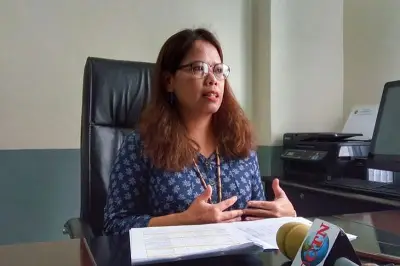
The consumer group Access has urged all parties in the power industry, especially electricity users, to stop the blame game. Instead, they must work together to fix the issues caused by the typhoon. Access president Wennie Sancho stated that an "Emergency Power Restoration Summit" should be organized immediately by the Liga Ng Mga Barangays.
Sancho also called on politicians to avoid exploiting the situation for personal gain. He emphasized they should instead provide tangible support and presence in communities still waiting for their electricity to be restored. "The Bacolod City Government, Negros Power and the consumers should initiate the move immediately," he added.

The Legal Mandate for Prevention
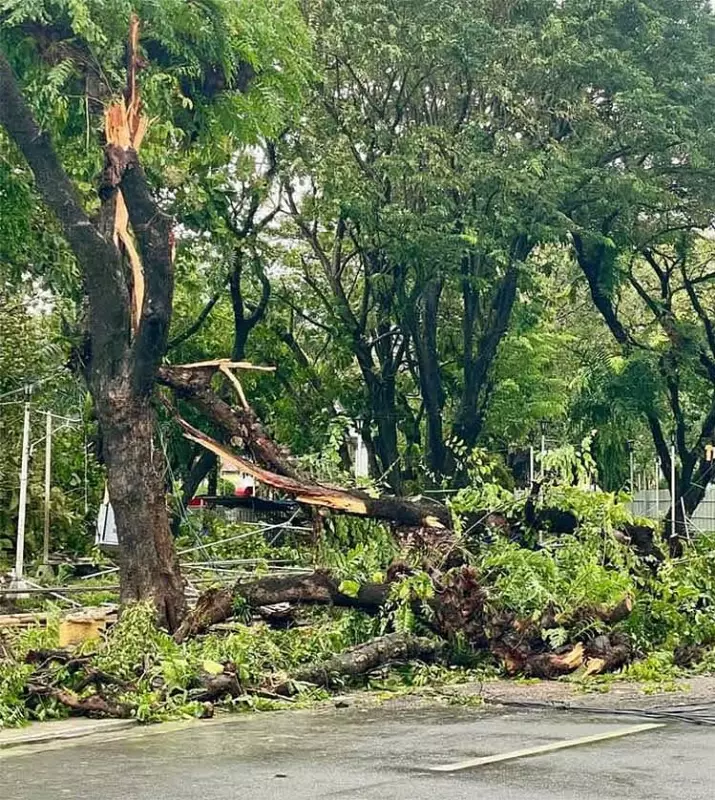
Sancho highlighted a crucial national law that could have mitigated the damage. Republic Act 11361, or the "Anti-Obstruction of Power Lines Act," mandates local government units (LGUs) to prevent obstructions, such as tree branches, from interfering with power lines.
The law specifically requires LGUs to:
- Ensure trees and vegetation near power lines are trimmed or cut.
- Authorize distribution utilities to manage hazardous vegetation.
- Coordinate with utilities to identify and address potential risks.
"It is unfortunate that most of our barangay councils had not fully implemented the provisions of RA 11361," Sancho noted, pointing to a significant gap in disaster preparedness.
Moving Forward: Rebuilding and Cooperation
Sancho echoed former governor Rafelito Cosculuela's position, agreeing that the relationship between trees and power infrastructure is a critical issue that must be assessed with LGUs, including barangays, to establish proper policy.
He stressed that distribution utilities and local governments need to have effective protocols and clear responsibilities to prevent future power disruptions from fallen trees and broken branches. The time for blame is over; the time for unity is now.
"The devastation is already done and pointing fingers will not bring back the power," Sancho said. "Let's focus on rebuilding and supporting each other." He concluded with a powerful message of solidarity, urging the local government, Negros Power, and consumers to work hand-in-hand to restore what was lost and create a safer environment for all communities.