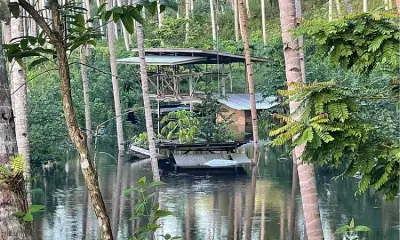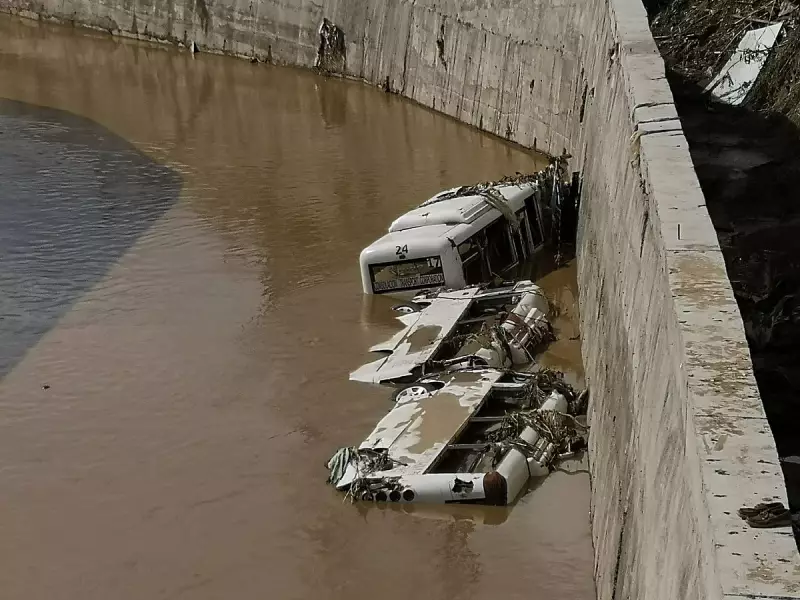
The aftermath of Typhoon Tino has left a trail of destruction in Barangay Tingub, Mandaue City, with debris from houses and modern jeepneys seen floating in floodwaters. This scene from one of the hardest-hit areas underscores a persistent and deepening environmental crisis in Cebu.
Beyond Concrete Solutions: The Root of the Problem
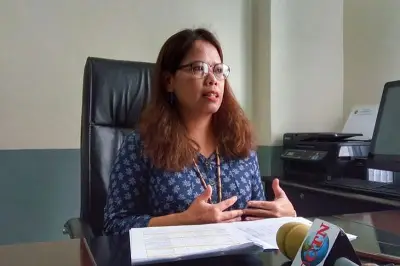
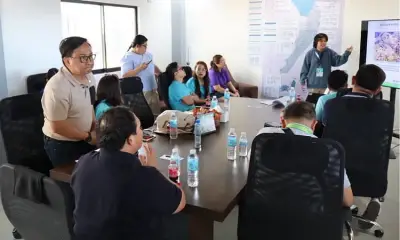
An environmental expert has issued a stark warning that constructing flood control projects is an insufficient response to Cebu's recurring floods. William Granert, the Executive Director of the Soil and Water Conservation Foundation Inc. (SWCFI), emphasized during a news forum on Tuesday, November 11, 2025, that deeper issues like deforestation and overdevelopment in upland areas must be confronted.
Granert explained that effectively addressing flooding within watershed systems is a long-term commitment, potentially requiring 20 to 30 years to establish a robust management program. He pointed out that discussions on limestone management have been ongoing for three decades with little progress.

The Karst Landscape: Cebu's Geological Challenge
The core of the issue lies in Cebu's geological makeup. The province is predominantly composed of a karst landscape, commonly known as limestone, which constitutes about 60 percent of the island. This unique geological composition makes the region highly susceptible to hazards like flooding, sinkholes, and landslides.
Granert stressed that protecting this karst landscape is vital for ensuring proper irrigation and water flow. However, he identified a critical gap in local expertise, noting that local engineers often lack specialized training in karst engineering.
This specialized field deals with the complexities of these delicate formations, which are porous. This means that any activity on the surface, including contamination, can eventually seep underground and into the water system. Granert cited a alarming real-world example where poor karst engineering led to a mountain cemetery leaking fluids from caskets, contaminating the water source for nearby residents.
Political Hurdles and Unchecked Development
The implementation of lasting solutions faces significant obstacles, primarily from the political arena. Granert highlighted that the political timeline, with frequent changes in elected officials, complicates the execution of long-term watershed management systems. He also questioned why it often takes a natural disaster to trigger government action.
Furthermore, he criticized the pattern of development in forested areas, particularly when it involves building roads, resorts, and other commercial establishments. Granert warned that such unresearched land development could exacerbate environmental risks instead of mitigating them. He concluded that without a scientific approach, these projects are more likely to cause detrimental impacts than foster positive development.
The SWCFI, a non-profit corporation registered with the Philippine Securities and Exchange Commission on March 8, 1988, continues its advocacy from its main office in Cebu City, pushing for the comprehensive and scientifically-grounded approach needed to secure Cebu's environmental future.