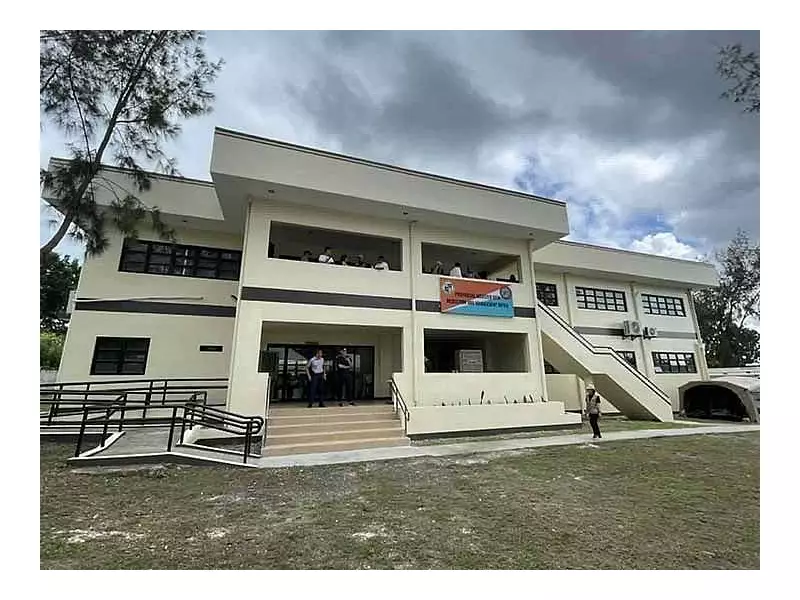
The Cebu Provincial Government has officially launched a new, state-of-the-art Command Center for its disaster management office, marking a significant upgrade in its capacity to handle emergencies.
From Quarantine Site to Disaster Hub
Inaugurated on January 9, 2026, the new facility is located in Sitio Groto, Barangay Apas, Cebu City. The site holds historical significance, having previously served as a quarantine facility and evacuation center during the peak of the COVID-19 pandemic. The provincial government, under the leadership of Governor Pamela Baricuatro, invested P9 million to renovate five existing buildings on the property.
The renovation work began in October 2025 and was completed this month. The transformed complex now houses a comprehensive training center, a dormitory for on-duty personnel, and the main command center itself.

Building a More Resilient Cebu
This development underscores the province's heightened priority on disaster preparedness. The initiative gained further momentum after the Cebu Provincial Disaster Risk Reduction and Management Office (PDRRMO) was elevated to a full department in September 2025. This status grants the office its own annual budget, allowing for sustained improvements in its services and capabilities.
Currently, the PDRRMO is staffed by 21 dedicated responders and 29 support personnel. According to PDRRMO head Dennis Pastor, there are plans to increase the number of responders to ensure readiness for any crisis.
Modern Equipment for Modern Threats
The office is now equipped with cutting-edge technology to improve its operations. It has acquired "state-of-the-art" drones capable of conducting rescue and assessment missions even at night. Recognizing a critical need during calamities, the PDRRMO has also prepared water treatment machines to provide clean, potable water to affected communities.
Acknowledging that communication breakdowns are a major challenge during typhoons, Pastor revealed plans to establish dedicated communication facilities in remote islands, particularly Camotes and Bantayan. This aims to ensure uninterrupted coordination even when traditional networks fail.
With a history of facing severe earthquakes and powerful typhoons, Cebu understands the importance of proactive measures. This new command center, backed by modern equipment and a strengthened organizational mandate, is poised to accelerate emergency response times and save more lives when the next disaster strikes.