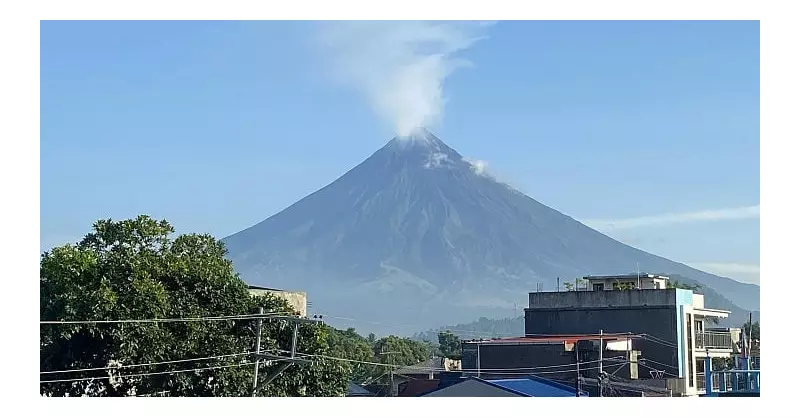
The Philippine Institute of Volcanology and Seismology (Phivolcs) has escalated the threat level of Mayon Volcano, signaling a significant increase in volcanic activity and the potential for a hazardous eruption. The alert status was raised from Level 2 to Level 3 on Tuesday, January 6, 2026.
Signs of Magmatic Unrest
In its latest bulletin, Phivolcs confirmed that Mayon Volcano is currently exhibiting a "magmatic eruption" at its summit. This type of eruption involves the ascent of fresh magma from deep within the volcano, indicating a heightened state of unrest. The agency warned that there is a high probability of lava flows and the generation of dangerous pyroclastic density currents (PDCs).
These PDCs, which are fast-moving, superheated avalanches of gas, ash, and rock, pose a severe threat to areas on the middle to upper slopes of the volcano. A specific event was recorded on the Bonga Gully on the southeastern flank. At 12:26 p.m. on January 6, PDCs were generated from the collapse of newly extruded lava, lasting for at least three minutes and traveling within two kilometers of the summit crater.

Immediate Precautions and Evacuations
In response to the escalating danger, Phivolcs and local authorities have implemented strict safety measures. Residents in affected areas are advised to remain vigilant against ash fall and to prepare for the possibility of an explosive eruption within coming days or weeks.
The agency has strictly prohibited entry into the six-kilometer radius Permanent Danger Zone (PDZ) surrounding the volcano. Additionally, any aircraft flight near the summit is banned due to the risks posed by ash and sudden explosions.
Heeding the warnings, the local government of Camalig, Albay, has announced the immediate implementation of forced evacuations for all residents living within the six-kilometer PDZ. This proactive measure aims to prevent loss of life in case of a sudden, violent eruption.
What This Means for Albay
The raising of the alert level to 3 places Mayon in a state of "increased tendency towards a hazardous eruption". The situation is being closely monitored by Phivolcs' 24-hour watch. Communities surrounding the volcano, a major tourist attraction and cultural icon, are now on high alert, with disaster response teams activated to manage the evacuation and potential humanitarian needs.
Historical eruptions of Mayon have been both destructive and deadly, making the current warnings critically important. Authorities urge the public to follow official instructions from Phivolcs and local disaster councils for their safety.