Albay, Philippines – Authorities have evacuated close to 3,000 residents living near the restive Mayon Volcano after state volcanologists raised the alert status, indicating a heightened risk of a hazardous eruption.
Mass Evacuation Underway
Albay Governor Noel Rosal confirmed on Wednesday, January 7, 2026, that a total of 727 families or 2,889 individuals have been moved to safety. The evacuation order covers residents within the six-kilometer Permanent Danger Zone (PDZ) across four municipalities and two cities surrounding the volcano.
The mandatory evacuation was triggered after the Philippine Institute of Volcanology and Seismology (Phivolcs) elevated Mayon Volcano's alert level to Level 3. This status signifies an increased tendency towards a potentially dangerous explosive eruption.

"So far, the situation remains normal; it is just necessary to evacuate those within the six-kilometer permanent danger zone," Governor Rosal stated in a television interview. He emphasized that the provincial government is ensuring the provision of relief goods and basic necessities for all affected families.
Rains Heighten Lahar Threat
Governor Rosal highlighted that ongoing rainfall in the region is a major concern for disaster managers. The wet weather increases the risk of deadly mudflows and lahar, which can cascade down Mayon's slopes with little warning, carrying volcanic debris and rocks.
"It is raining here right now. This is, of course, a concern given the weather, because we are monitoring possible mud and lahar flows," he added. Teams are on high alert to respond to any secondary hazards triggered by the volcanic activity and precipitation.
Established Systems and Police Mobilization
Rosal noted that the province's experience with Mayon's recurrent unrest has led to a well-established disaster response system. Coordination flows from the Local Government Units (LGUs) to the provincial government, and then to national agencies like the Department of Social Welfare and Development (DSWD) and the Department of Public Works and Highways (DPWH).
He also pointed out that government resettlement programs have successfully reduced the population within the most hazardous areas. The number of residents in the danger zones of Legazpi, Daraga, Guinobatan, and Ligao has dropped from around 9,000 in previous years to less than 3,000 today.
"What’s good now is that the system is already in place, and over the years people have matured and understand that they really need to comply," Rosal said.
Meanwhile, the Philippine National Police (PNP) has mobilized its personnel in the Bicol Region to support the evacuation. Acting PNP chief Lieutenant General Jose Melencio Nartatez Jr. directed forces to assist LGUs, prioritizing the safety of residents.
"I have already directed our personnel in the Bicol Region to extend full support to the local government units in Albay. The safety of our kababayan, especially those in danger zones, will be the top priority," Nartatez stated. The PNP has set up checkpoints at key entry points to the danger zones and increased police visibility across Albay.
Increased Volcanic Unrest
Phivolcs monitoring data reveals significant volcanic activity over the past 24 hours. The agency recorded:
- 131 rockfall events
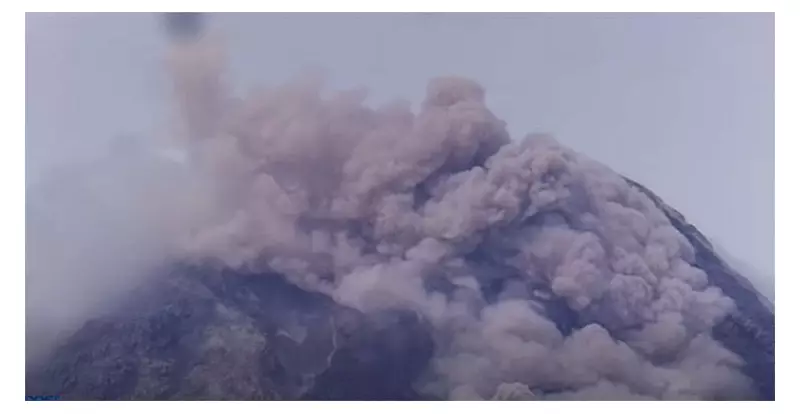
- 5 pyroclastic density currents (fast-moving currents of hot gas and volcanic matter)
Furthermore, sulfur dioxide (SO2) emissions have been measured at an average of 702 tonnes per day since January 5. The volcano's plume is drifting west-northwest and west-southeast, while its edifice remains inflated—a sign of magma or gas pressure beneath the surface. The faint crater glow is currently only visible through a telescope.
Authorities continue to urge the public to stay away from the Permanent Danger Zone and to heed all warnings and evacuation orders from local officials.