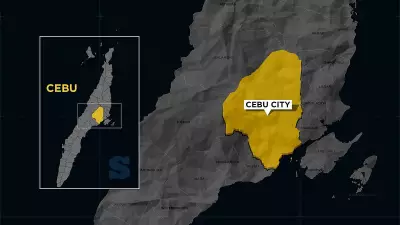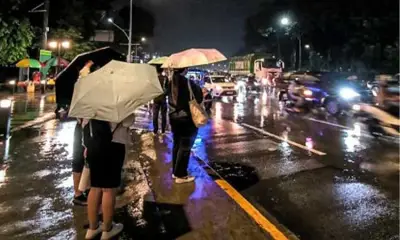
Last Wednesday afternoon, June 3, 2026, Metro Cebu experienced a torrential downpour that left several cities submerged in knee-deep floodwater. While exact rainfall data is unavailable, the rapid rise of water along P. del Rosario Street indicated a significant deluge.
A Welcome Respite from Scorching Heat
The rains provided a much-needed break from the extreme heat and humidity that have plagued the region since the start of May. The Philippine Atmospheric, Geophysical and Astronomical Services Administration (Pagasa) had warned of days of intense temperatures and oppressive humidity, and conditions throughout May lived up to that forecast. Residents described the environment as akin to living in a pressure cooker, with heat sapping energy upon stepping outdoors.
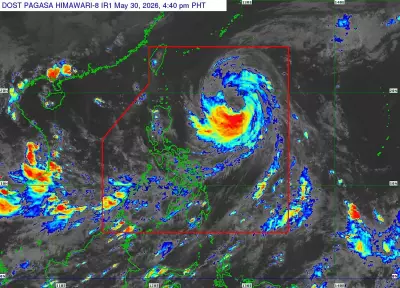
Pagasa officially declared the onset of the Habagat (Southwest Monsoon) season on May 30, signaling a transition to rainy weather. However, forecasts for Cebu and Central Visayas indicated generally fair, hot, and humid conditions interspersed with sudden localized thunderstorms. Thus, the June 3 downpour was not an anomaly but part of the natural seasonal pattern.

Caught Off Guard
Despite the forecast, the sudden flooding caught many off guard. Colleagues scrambled to move vehicles to higher ground to avoid flood damage. Public transportation routes were diverted as roads turned into dark, debris-filled waterways. This incident, the first of many expected, underscores the need for preparedness. Residents must accept that extreme weather may become a recurring reality unless proactive measures are taken.
Root Causes of Rapid Flooding
According to a SunStar special report by editor-in-chief Mildred Galarpe published on May 26, hydrologists attribute Metro Cebu's rapid flash flooding to a combination of natural and man-made factors. These include the region's narrow, steep terrain, older mountain rock formations, and the expansion of urban concrete over porous Carcar limestone. Engineer Maria Nenita Jumao-as and Dr. Danilo Jaque explained that generic flood-control templates, narrowed river channels, and clogged drainage systems further restrict water flow, causing overflows.
This analysis paints a grim picture for the metro's future. Over the past three decades, Cebu has transformed from a laid-back tropical island with minimal traffic and infrequent floods into a bustling metropolis. In the 1980s and early 1990s, floods were rare, and floodwater was often clear enough to see fish swimming in canals. Today, rapid development has outpaced public infrastructure, leaving the city vulnerable.
A Call for Collective Action
The problem is complex and cannot be solved overnight. It requires cooperation from all sectors—government, private industry, and citizens. While progress is beneficial, it must be balanced with sustainable urban planning and resilient infrastructure. The choice is clear: accept the rain as mere relief or heed it as a warning to adapt and prepare. As the saying goes, we are all in the same boat, and how we respond now will determine our future.