Typhoon Tino's Devastating Message to the Philippines
The powerful winds and relentless floods of Typhoon Tino, which struck on November 11, 2025, delivered a stark warning that the nation appears to have ignored since Typhoon Odette. The catastrophic event raises urgent questions about whether Filipinos have learned crucial lessons from previous disasters.
Many victims who lost their homes and lives cannot be faulted for choosing dangerous locations. The real issue lies in the lack of affordable, safe housing alternatives for low-income families living near rivers and flood-prone areas.
Systemic Failures and Demands for Accountability
The typhoon's impact highlights three critical demands for Philippine leadership:

First, politicians must allocate adequate budgets for secure housing and relocation sites for impoverished communities.
Second, the government must overcome incompetence in delivering essential social services, particularly housing.
Third, DPWH officials and contractors must answer for the massive loss of life and property damage caused by ghost projects and substandard flood control structures.
The contrast between survivors and those in power remains stark. While displaced families struggle for basic necessities like shelter, clothing, water, and food, top officials and contractors reside comfortably in luxurious homes within gated communities, their wardrobes and refrigerators fully stocked.
The Path Forward: Justice and Systemic Change
Typhoon Tino cannot physically touch those responsible, but it powerfully appeals to their conscience. Ultimately, concerned citizens must hold negligent and greedy officials accountable through legal channels, ensuring they face punishment and complete restitution for stolen public funds.
This situation challenges the Philippines' identity as both a Christian nation and a resource-rich country. Despite abundant natural resources, systemic mismanagement and greed leave half the population in poverty. Political and economic leaders prioritize personal gain over Christian principles of justice and charity, operating within a neoliberal framework that benefits the few.
The Catholic Church also faces criticism for promoting a devotional religion focused solely on spiritual matters while failing to address society's physical and spiritual ailments effectively.
Typhoon Tino serves as a powerful reminder that nature's fury can erase human existence. The storm's ultimate message emphasizes caring for one another as siblings and collectively protecting Mother Earth.
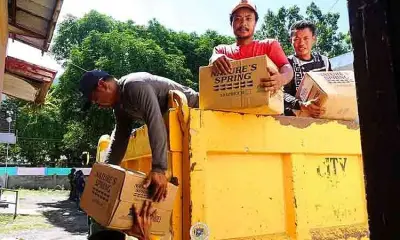
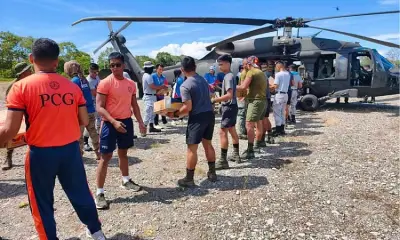
The community's admirable response to the calamity demonstrates our capacity for mutual care and support. The challenge lies in maintaining this solidarity beyond emergencies, integrating it into our daily lives before the next disaster strikes.