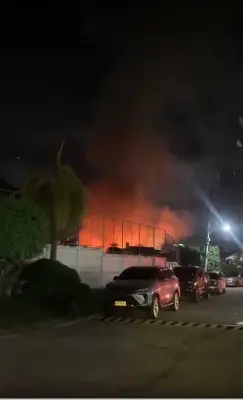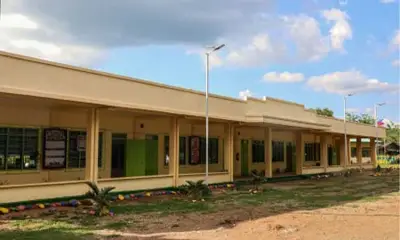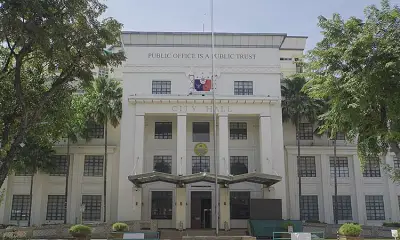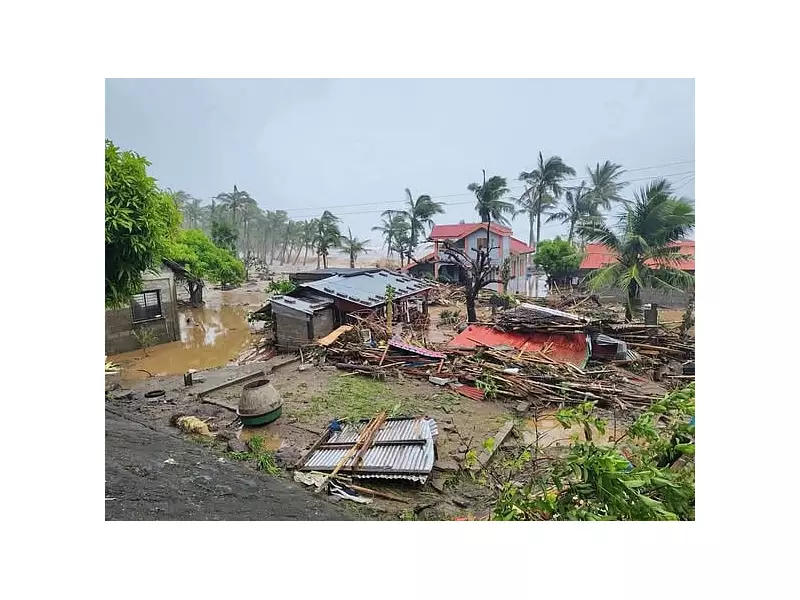
Super Typhoon Uwan has left a trail of destruction across multiple regions in the Philippines, with the coastal town of Pandan in Catanduanes experiencing some of the most severe damage to residential areas. The powerful storm has resulted in significant casualties and widespread infrastructure damage throughout the affected regions.
Casualty Figures and Regional Impact
Official reports confirm that 18 people have lost their lives as a direct result of Super Typhoon Uwan's devastating path. During a press conference held on November 11, 2025, Deputy Administrator for Administration Bernardo Rafaelito Alejandro IV provided a detailed breakdown of the casualties across different regions.
The Cordillera Administrative Region suffered the heaviest loss with 12 confirmed deaths, followed by Central Luzon with three fatalities. Single casualties were reported in the Bicol region, Western Visayas, and Eastern Visayas, demonstrating the typhoon's widespread impact across the archipelago.

Causes of Death and Missing Persons
The nature of the casualties varies by region, highlighting the different ways the typhoon affected various parts of the country. In CAR and Central Luzon, victims primarily perished due to deadly landslides, including a tragic case involving a five-year-old child.
Other regions reported deaths resulting from drowning, electrocution, and falling debris during the storm's peak intensity. The Office of Civil Defense has also confirmed that two individuals remain missing in the Cordillera Administrative Region, while 28 people sustained injuries across Cagayan Valley, Calabarzon, Bicol, and Western Visayas.
Alejandro cautioned that casualty numbers might still increase, though he indicated that a significant surge in fatalities is unlikely at this stage of recovery operations.
Widespread Displacement and Infrastructure Damage
The scale of displacement caused by Super Typhoon Uwan is staggering. Latest figures indicate that 653,000 families, equivalent to 2.4 million individuals from 6,900 barangays, have been affected by the typhoon and lost their homes.
Of this massive number, approximately 231,000 families or 804,000 people are currently being accommodated in various evacuation centers across the affected regions. The infrastructure damage is equally concerning, with preliminary assessments revealing that at least 4,100 homes have been damaged or destroyed.
The typhoon's impact on critical infrastructure has been severe, with 105 roads and 46 bridges remaining impassable as of Tuesday, November 11, 2025. This transportation network damage is hampering relief efforts and the delivery of essential supplies to isolated communities.
Power Restoration Efforts
Energy infrastructure suffered extensive damage during the typhoon, with 394 areas experiencing partial or total power outages at the height of the storm. Restoration efforts have begun, with 32 locations having their electricity restored by Tuesday, November 11.
Work continues to reconnect the remaining affected communities, though officials warn that complete restoration may take considerable time given the extent of the damage to power lines and distribution systems.
As recovery operations proceed, authorities remain focused on providing immediate assistance to displaced families while assessing the full economic impact of Super Typhoon Uwan's destructive passage through the Philippines.