Catholic Bishops' Advocacy Arm Urges Philippines to Accelerate Renewable Energy Transition
In the midst of escalating tensions in the Middle East, the advocacy arm of the Catholic Bishops’ Conference of the Philippines (CBCP) has issued a renewed and urgent call for the nation to shift decisively toward renewable energy sources. Caritas Philippines made this appeal on Thursday, March 5, 2026, emphasizing the critical need for action.
Abundant Resources Available
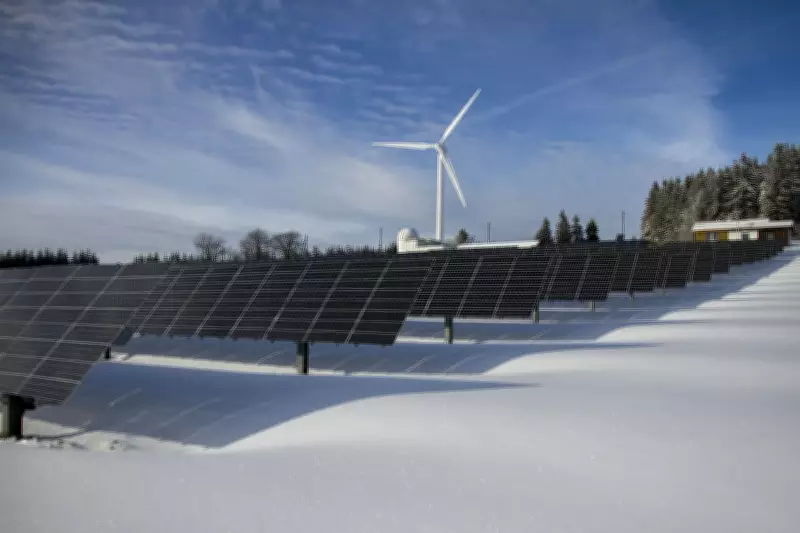
In a detailed statement, Caritas Philippines highlighted that the Philippines is endowed with plentiful renewable energy resources, including solar, wind, geothermal, and marine energy. The organization described these as readily available gifts that could liberate the country from a perilous cycle.
"These are gifts that can free our nation from the dangerous cycle linking fossil fuels, economic vulnerability, and geopolitical conflict," Caritas Philippines stated. The group warned that every delay in transitioning to clean energy prolongs exposure to global instability, while new investments in fossil fuel infrastructure deepen dependence on a system contributing to both climate destruction and geopolitical tension.

Vulnerability to Global Conflicts
The call comes as the Philippines remains heavily reliant on fossil fuels, a dependence that Caritas Philippines argues makes Filipinos more susceptible to the impacts of international conflicts, such as the current military crisis in the Middle East. This reliance creates a domino effect across various facets of Filipino life.
"The Philippines remains dangerously dependent on imported coal, oil, and gas. This dependence ties our national stability to conflicts beyond our control and exposes our people to the shocks of volatile global energy markets," the organization explained.
Impact on Filipino Families
Caritas Philippines detailed how this fossil fuel dependence translates into immediate hardships for ordinary citizens. Rising oil prices lead to increased transport fares, higher food costs, escalating electricity bills, and greater economic insecurity. The burden is particularly severe for vulnerable groups, including workers, farmers, fisherfolk, and the urban poor.
"For Filipino families, rising oil prices mean immediate hardship: higher transport fares, rising food costs, increasing electricity bills, and deeper economic insecurity. The burden falls heaviest on workers, farmers, fisherfolk, and the urban poor," the statement emphasized.
Geopolitical Context
This renewed appeal follows recent military actions in the Middle East, where United States and Israeli forces launched strikes against Iran over the weekend. Iran retaliated with missile barrages targeting Israel, Saudi Arabia, Bahrain, Qatar, and the United Arab Emirates, further exacerbating regional tensions and highlighting the interconnectedness of global energy markets and geopolitical stability.
Caritas Philippines' statement serves as a stark reminder of the urgent need for energy independence through renewable sources, positioning it as both an environmental imperative and a strategic necessity for national security and economic resilience.