The Philippines made significant strides in its clean energy transition in 2025, with the Department of Energy (DOE) driving initiatives to boost investments in renewable sources and ensure a sustainable power supply for the nation.
Renewable Energy Gains Momentum
The share of renewable energy (RE) in the country's total power mix has now reached approximately 32 percent, putting it within striking distance of the 35 percent target set for 2030. The DOE's more ambitious goal is to escalate this contribution to 50 percent by the year 2040.
This progress is backed by concrete additions to the national grid. As of November 2025, about 956 megawatts (MW) of new generation capacity came online, supported by an additional 16 MW of energy storage in the Luzon and Visayas grids.

Major Auctions and Future Capacity
The department's Green Energy Auction (GEA) program is a key driver of this expansion. The winning bidders from GEA-3, announced in June 2025, are projected to deliver around 6,600 MW of capacity by 2035. Following this, the GEA-4 winners revealed in November are expected to generate more than 10,000 MW of new power by 2029.
Energy Secretary Sharon Garin expressed strong confidence in the continued growth of the RE sector, citing the success of the two auctions held this year. She also noted the termination of eight RE service contracts due to proponents' failure to meet requirements, underscoring the DOE's commitment to project delivery.
"We started with good foundations already, and continuing that, you cannot go wrong," Secretary Garin stated, acknowledging the groundwork laid by former energy secretary Rafael Lotilla.
Enhanced Coordination and Future Focus
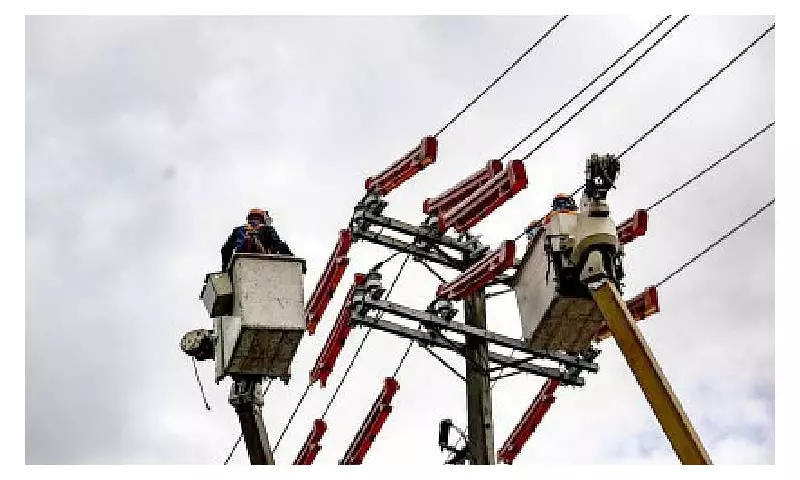
Beyond generation, the DOE highlighted improved disaster response and grid reliability. Secretary Garin pointed to faster power restoration in typhoon-hit areas like Masbate and Catanduanes, now achieved in about a month instead of six. She credited this to tighter collaboration among key players including:
- National Electrification Administration (NEA)
- Philippine Rural Electric Cooperatives Association
- Distribution utilities and power plant operators
- National Power Corp. (Napocor) and National Grid Corp. of the Philippines (NGCP)
Looking ahead to 2026, the DOE's dual focus will be on "cleaner energy and energy security." Secretary Garin emphasized the need to scale down coal and diesel use, particularly in island grids where renewables currently make up only about 7% of the mix. "We just need to find a balance," she said.
The exploration of more indigenous gas and petroleum sources is also a priority to reduce dependence on the volatile international market.
Rural Electrification and Modernization
Complementing the national efforts, the National Electrification Administration (NEA) under Administrator Antonio Mariano Almeda reported achievements in powering remote communities. Its "Digital Bayanihan" campaign successfully electrified geographically isolated areas, including the Datu Saldong Domino Elementary School in Agusan del Norte.
NEA also tackled persistent issues in Zamboanga by forming Task Force Metro Zamboanga and entered into a modernization agreement for Palawan's power distribution system with the Maharlika Investment Corp. and the local cooperative.
"We need to make our services improved and reliable. That's all that really matters... Let's shift the paradigm already. We cannot keep doing what is good enough," Administrator Almeda urged during a year-end gathering.
With a solid foundation and a clear roadmap, the Philippines' energy sector is positioning itself for a more sustainable and secure power future.