The Philippine Atmospheric, Geophysical and Astronomical Services Administration (PAGASA) issued a significant weather advisory on Sunday, January 4, 2026, warning that three distinct weather systems will continue to influence conditions across large portions of the country.
Three Systems, Widespread Impact
In its 4:00 AM bulletin, the state weather bureau detailed the specific effects of a shear line, the easterlies, and the northeast monsoon, locally known as amihan. The combined influence of these systems is expected to bring cloudy skies with scattered to widespread rains and thunderstorms to multiple regions, raising serious concerns about potential hazards.
Regional Breakdown and Threats
The Visayas region and the provinces of Palawan, Catanduanes, Albay, Sorsogon, Masbate, and Romblon will experience the effects of the shear line. Meanwhile, the CARAGA region in Mindanao will have similar conditions due to the warm winds from the Pacific, known as the easterlies.

Separately, the prevailing northeast monsoon is forecast to bring cloudy skies with rains over Cagayan Valley, Aurora, Quezon, Marinduque, Oriental Mindoro, and other parts of the Bicol Region.
PAGASA explicitly warned that the moderate to heavy rains associated with these systems could trigger flash floods or landslides. Areas in Visayas, Bicol, CARAGA, and other parts of Mindanao are particularly at risk during periods of intense thunderstorms.
Metro Manila and Sea Conditions
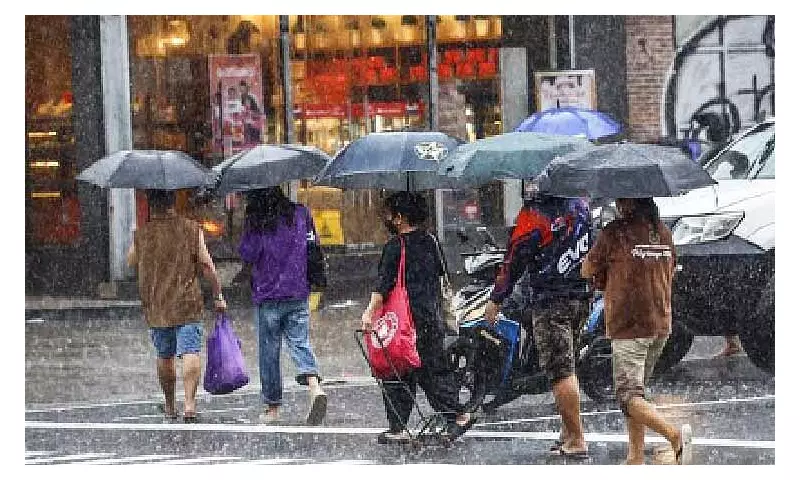
Metro Manila and the rest of Luzon will also see cloudy skies with light rains due to the amihan, but these conditions are not expected to cause major impacts. However, maritime conditions are a significant concern.
Strong to gale-force winds from the northeast are anticipated, leading to rough to very rough seas over the eastern seaboards of Central Luzon, Southern Luzon, and the Visayas. The rest of Luzon and Visayas will experience moderate to strong northeasterly to easterly winds with moderate to rough seas, posing risks to sea travel.
The weather agency continues to monitor the situation and urges the public, especially those in high-risk areas, to stay vigilant, heed local warnings, and prepare for possible evacuation if necessary.