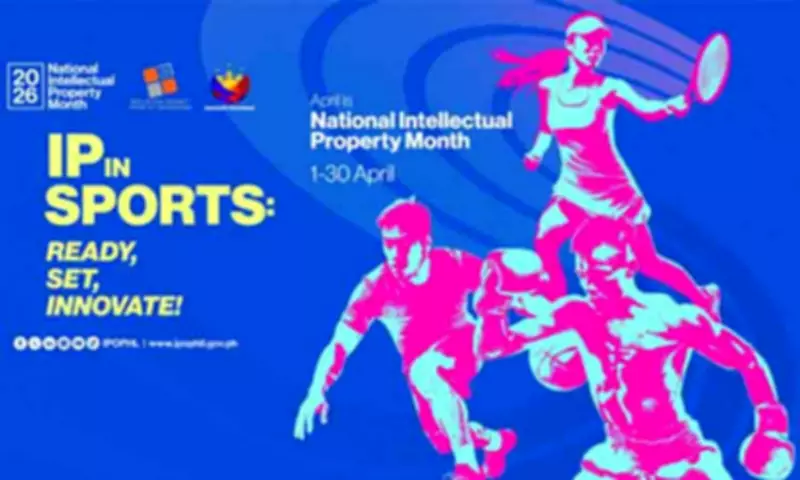
In celebration of National Intellectual Property Month (NIPM) this April, the Intellectual Property Office of the Philippines (IPOPHL) is urging sports enthusiasts to embrace fair play beyond the field by choosing legitimate products and accessing sports content through authorized channels.
Global Impact of Counterfeiting and Piracy in Sports
Counterfeiting and piracy have become pervasive issues in the global sports industry. In Europe, studies indicate that 12% of viewers watch sports through illegal streams, with the figure rising to 27% among younger audiences. Counterfeit sports equipment costs manufacturers approximately €850 million annually, representing 11% of lost sales. In the United States, a single enforcement raid can seize sporting goods worth hundreds of millions of dollars in the weeks leading up to major events.
In the Philippines, similar challenges persist. Counterfeit sportswear and equipment are widely available in local markets, both physical and online, while ongoing piracy activities threaten broadcast deals and reduce revenues for rights holders.

NIPM 2026 Theme: IP in Sports: Ready, Set, Innovate!
This year's NIPM aligns with the World Intellectual Property Organization's focus on intellectual property as a critical foundation of the global sports industry. The theme "IP in Sports: Ready, Set, Innovate!" highlights how IP drives innovation and protects the value behind every game, brand, and athlete.
IPOPHL Acting Director General Nathaniel S. Arevalo emphasized the pivotal role of fans in sustaining the sports ecosystem. "Every time we choose authentic merchandise or watch through official broadcasts, we are directly supporting athletes, creators, and the future of sports. But when we turn to fake goods or illegal streams, we undermine the very system that allows sports to thrive," he said.
Economic Significance of the Sports Industry
Globally, the sports industry is valued at over $400 billion and accounts for approximately 2% of global GDP. Intellectual property generates significant economic value necessary for the industry's growth. Revenues from broadcasting rights, merchandise sales, and brand partnerships are reinvested into athlete development, grassroots programs, and future competitions.
IP protections—including trademarks, patents, copyright, and related rights—ensure that authentic merchandise can be distinguished from counterfeits, innovations in sports equipment are rewarded, broadcasting rights are secured and fairly compensated, and athletes and creators benefit from their name, image, and work.
Risks of Counterfeit Goods and Illegal Streaming
High demand for sports content creates opportunities for abuse. Illegal streaming of live sports events through unauthorized websites, social media, or illicit subscription services diverts revenue from legitimate rights holders. Meanwhile, counterfeit sports merchandise continues to proliferate, offering cheaper alternatives that compromise quality, safety, and fair competition.
Beyond economic losses, counterfeit goods pose real risks. Substandard equipment can fail during use, and counterfeit products are often linked to unsafe manufacturing practices and illicit trade networks.
IPOPHL Deputy Director General Ann Claire Credo-Cabochan highlighted the relevance of this message to Filipino audiences. "Sports resonates deeply with Filipinos. Across the country, from grand arenas to the barangay courts, passion lives where a game is played. That same passion should extend to how we support the industry, by choosing legitimate products and respecting the work behind them," she said.
Call to Action for Fans
IPOPHL urges the public to take simple but impactful steps: buy only authentic and licensed merchandise, watch sports through official and licensed broadcasts, and avoid and report counterfeit goods and illegal streaming sites.
"Supporting IP is about fairness—fairness to athletes, to creators and to every Filipino working hard behind the scenes. When we choose legitimate options, we help ensure that sports and the opportunities it creates continue to grow for generations," ADG Arevalo added.