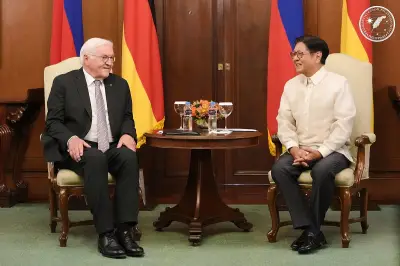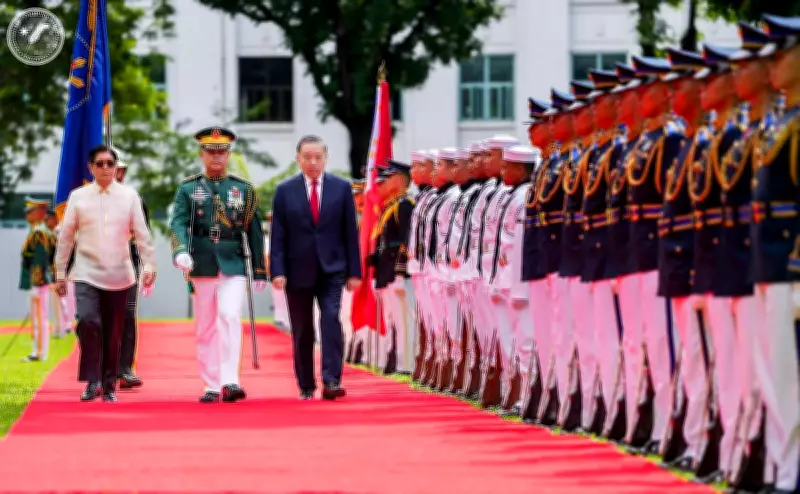
MANILA. The Philippines and Vietnam agreed to upgrade relations to an Enhanced Strategic Partnership following a state visit by Vietnamese President and Communist Party leader To Lam at the invitation of President Ferdinand Marcos Jr., according to a joint statement.
State Visit Details
Lam’s visit, held from May 31 to June 1, 2026, marked the first state visit by a Vietnamese party leader to the Philippines and coincided with the 50th anniversary of diplomatic relations and a decade of strategic partnership. The upgrade, the statement said, reflects a closer relationship described as “vigorous, resilient, and mutually beneficial.”
Economic Cooperation
Economic cooperation focused on efforts to surpass the US$10 billion trade target, with both sides pushing to expand trade and investment by improving market access, reducing barriers, and deepening collaboration in digital transformation, energy, manufacturing, innovation, and green development. Agriculture and food security were also highlighted, with plans to strengthen cooperation in research, technology, climate adaptation, fisheries, and supply chains, along with efforts to curb illegal, unreported and unregulated fishing.

Maritime and Defense Issues
On maritime issues, Manila and Hanoi agreed to improve coast guard coordination and strengthen responses to maritime incidents. Both reaffirmed respect for international law, especially the United Nations Convention on the Law of the Sea (Unclos), and stressed the protection of fishermen’s safety. Defense cooperation is set to expand through military exchanges, training, humanitarian assistance, disaster response, and collaboration in maritime security and counter-terrorism.
Transnational Crime and Regional Cooperation
Stronger action against transnational crime was also agreed upon, including efforts to combat cyber fraud, human trafficking, illegal gambling, and migrant smuggling, alongside moves to advance negotiations on extradition and legal cooperation agreements. On regional issues, Marcos and To Lam backed Asean unity and cooperation, particularly with the Philippines set to chair the bloc in 2026, and supported closer coordination in frameworks such as BIMP-EAGA and Mekong cooperation.
South China Sea Stance
On the South China Sea, the leaders called for peace, stability, and freedom of navigation, and urged peaceful resolution of disputes without the use of force, while supporting efforts to complete a code of conduct between Asean and China. The statement said the talks strengthened trust and laid the groundwork for deeper cooperation across key sectors.