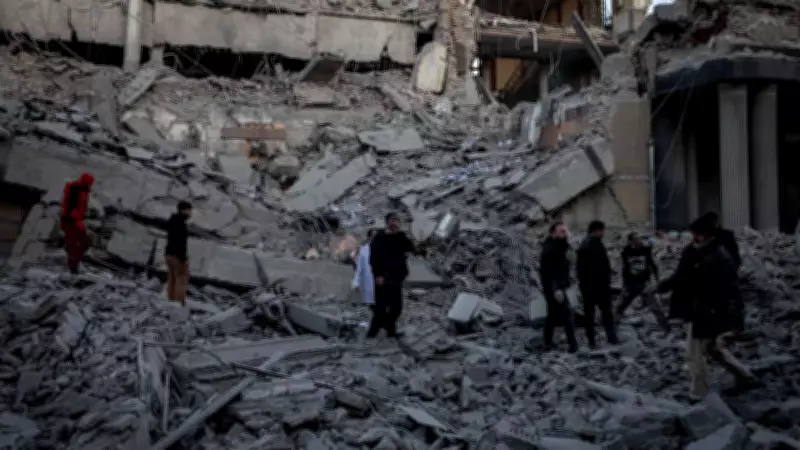
In Kalibo, Aklan, concerns are mounting as the ongoing geopolitical tensions in the Middle East are projected to significantly weaken the purchasing power of citizens, according to a recent analysis. Professor Anna Malindog-Uy, a geopolitical analyst, highlighted that the conflict involving the United States, Israel, and Iran is having a profound effect on daily life, with many Filipinos struggling to afford basic necessities.
Impact on Daily Life and Economy
Professor Malindog-Uy explained that the primary consequence of the violence in the Middle East is the erosion of citizens' ability to sustain their everyday needs. This situation is exacerbated by an impending sharp increase in petroleum product prices this week, which is expected to create a domino effect on essential goods in the market.
Rising Costs and Stagnant Wages
As oil prices surge, the wages of workers remain low, leading to a shrinking purchasing power. Many families can no longer afford their basic requirements, with even food becoming insufficient for entire households. The analyst emphasized that this imbalance is forcing citizens to cut back on spending, further straining the local economy.

Long-Term Economic Risks
The tensions in the Middle East pose a significant threat to the national economy, particularly if they persist without the country securing alternative oil supplies. Professor Malindog-Uy warned that continued instability could lead to sustained high prices and broader economic challenges, affecting various sectors beyond just fuel costs.
This analysis underscores the interconnectedness of global events and local economic stability, urging policymakers to monitor the situation closely and consider measures to mitigate the impact on vulnerable populations.