Discovering the Richness of Filipino Language Structure
Filipino linguistics reveals fascinating patterns in word formation that demonstrate the language's complexity and depth. Two important concepts that highlight this linguistic richness are Pulohigan and Kahugtong, which represent distinct ways words function and transform in everyday communication.
Understanding Pulohigan: Words with Similar Spelling but Different Meanings
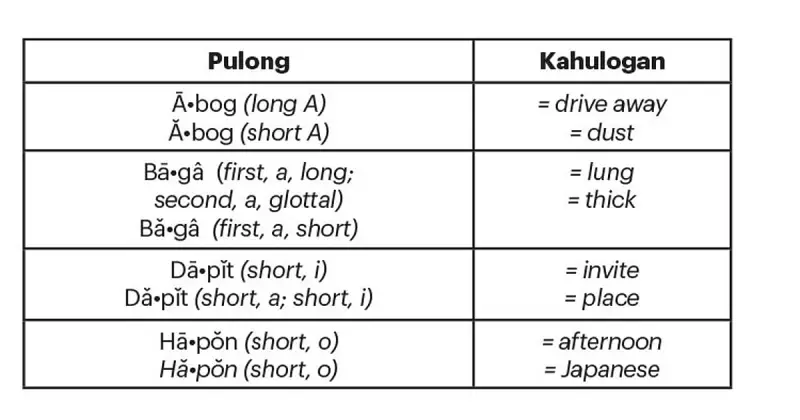
Pulohigan represents a unique category where two or more words share identical spelling patterns but contain subtle pronunciation differences that completely change their meanings. This linguistic phenomenon creates an interesting challenge for both native speakers and language learners, as the same written word can convey multiple concepts depending on how it's spoken.
What makes Pulohigan particularly fascinating is how minor variations in vocal delivery can transform a word's entire significance. These differences aren't always obvious in written text but become crucial in verbal communication. The concept showcases the sophisticated nature of Filipino as a living, evolving language that accommodates multiple meanings within similar structures.

Exploring Kahugtong: The Art of Word Contraction
In contrast to Pulohigan, Kahugtong demonstrates how Filipino language efficiently combines two separate words into a single, contracted form. This linguistic process streamlines communication while maintaining clarity of meaning. The contraction mechanism follows specific rules that native speakers intuitively understand and apply in daily conversations.
The practice of creating Kahugtong reflects the dynamic and practical nature of Filipino as it adapts to modern communication needs. These contractions often emerge organically within communities and gradually become standardized through frequent use. Understanding this concept provides valuable insight into how the language continues to evolve and simplify without losing its expressive power.
Both Pulohigan and Kahugtong represent important aspects of Filipino linguistic study that help linguists and language enthusiasts appreciate the sophistication of the language. These concepts not only aid in better understanding Filipino grammar but also provide windows into the cultural and social contexts that shape how people communicate in the Philippines.