European Leaders Decline Trump's Request for Strait of Hormuz Security Support
In a significant diplomatic development, European leaders have formally rejected a request from US President Donald Trump for assistance in securing the Strait of Hormuz. The decision was announced during a European Union meeting held in Brussels, highlighting a divergence in strategic approaches between the US and its European allies regarding tensions with Iran.
German Foreign Minister Clarifies European Stance
German Foreign Minister Johann Wadephul explicitly stated that European nations have no intention of deploying military forces to participate in the ongoing turmoil involving Iran. He emphasized the need for greater clarity on the issue, noting that this is not a conflict initiated by Europe, and thus, they are reluctant to become directly involved. This position reflects a cautious approach to avoid escalating regional hostilities.
Broad Support Within NATO
The statement from Minister Wadephul has garnered support from several member states of the North Atlantic Treaty Organization (NATO), indicating a collective European reluctance to engage militarily in the Strait of Hormuz. This unified stance underscores the complexities of international alliances and the varying priorities among member countries when it comes to Middle Eastern security challenges.

Background of Trump's Appeal
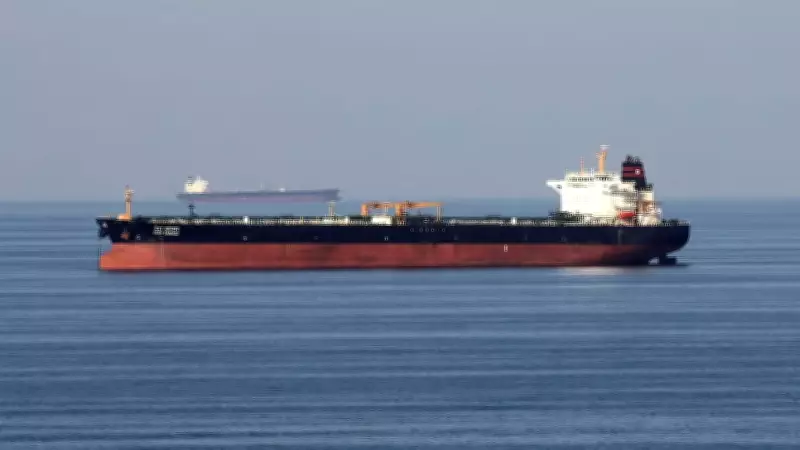
Recall that President Trump had urged European leaders to join forces with the United States to ensure the safe passage of vessels through the Strait of Hormuz, a critical maritime chokepoint, amid threats of attacks from Iran. The strait is vital for global oil shipments, making its security a matter of international economic concern. However, Europe's rejection signals a preference for diplomatic solutions over military intervention in this volatile region.
This development raises questions about future US-European cooperation on security matters and highlights the ongoing geopolitical tensions surrounding Iran. As the situation evolves, stakeholders will be closely monitoring how this decision impacts broader international relations and stability in the Middle East.