Davao's Economic Frontlines: How Middle East Conflicts Hit Home
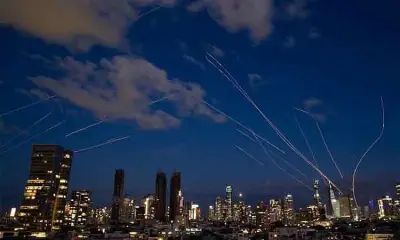
When we hear about tensions in the Middle East or conflicts between global superpowers, our first instinct is to look at the "bakbakan"—the missiles, troop movements, and military hardware. But for us here in Davao, the real "war" isn't just happening on a battlefield thousands of miles away. It's happening in our gas stations, our grocery aisles, and our bank accounts. If you want to know if a conflict is getting serious, don't just watch the evening news for explosions. Watch the "Economic Frontlines." Here is what every Davaoeño needs to understand about modern warfare in the Middle East.
The Strait of Hormuz: A Global Economic Chokepoint
Most of the world's oil passes through a tiny maritime "highway" called the Strait of Hormuz. Think of it like a 20-lane highway that suddenly narrows down to 5 lanes. If that highway gets blocked, it doesn't matter how much oil is sitting in a warehouse in Saudi Arabia or any of the US allies; if the ships can't move, the price goes up. When global oil prices spike, it's a "domino effect" for us in Davao City. It's not just the price of petrol for your motorcycle or SUV. High oil prices mean it costs more to transport our agricultural products like durian from the highlands to the port. It means the cost of electricity to run our malls and cold storage facilities goes up. In modern war like what we have today, a country like Iran doesn't need to win a fight; they just need to make it too expensive for everyone else to keep living normally.
Shipping Insurance and Supply Chain Disruptions
One thing we rarely talk about is Shipping Insurance. Even if a sea lane is technically "open," if the insurance companies in London or New York decide the risk of a missile hit is too high, they will stop insuring the ships. Without insurance, the ships don't sail. This is why "effective supply" is different from "headline supply." A country can have all the oil in the world, but if no one will insure the boat to carry it, that oil stays in the ground. For us, this means "supply chain disruptions" that can lead to shortages of imported goods or higher prices for the fertilizers our farmers depend on, or to fuel the boats of our fisherfolks.

Global Financial Ripples: From Japan to Davao
To make it more complicated, you might wonder: What does the Japanese Yen have to do with a war in the Middle East? Japan imports almost all its energy. When oil prices skyrocket, the Yen loses value. To save their currency, Japan's central bank must raise interest rates. This triggers a global "panic" because many big investors borrow cheap money from Japan to invest elsewhere. When that "cheap money" disappears, global stock markets—including our own in the Philippines—can feel the sting.
What Davaoeños Can Do: Monitoring the Economic Indicators
As Davaoeños, what do we do? Instead of just waiting for official military press releases, which are often biased, keep an eye on these three things: First, the Price of Crude Oil: If it stays above a certain "stress level," expect inflation to follow. Secondly, the Exchange Rate: Watch how the Peso and the Yen are performing against the Dollar. And, thirdly, Market Fear: Look at how global investors are reacting. Are they "running for cover" into gold or US bonds?
Modern war is no longer just about who has the bigger gun; it's about who can survive the longest while the "plumbing" of the global economy is leaking. The next time you see a headline about a distant conflict, remember: the real battle is being fought over the price of your next liter of fuel and the interest rate on your next loan.