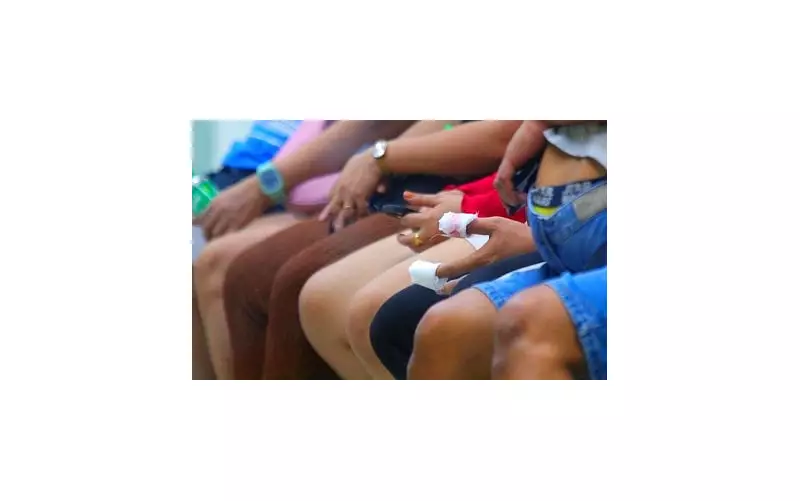
As Filipinos celebrated the transition from 2025 to 2026 with traditional pyrotechnic displays, the Department of Health (DOH) reported a significant number of injuries linked to fireworks. Overnight festivities resulted in dozens of people being hurt across the country.
New Year's Eve Injury Tally and Annual Comparison
According to the latest data from the Department of Health, 62 individuals sustained fireworks-related injuries between the evening of December 31, 2025, and the early hours of January 1, 2026. The agency announced these additional cases in a social media post as the nation welcomed the new year.
This brings the total number of fireworks-related injury (FWRI) cases for the current monitoring period to 235. The DOH has been tracking incidents from 62 sentinel hospitals since December 21, 2025, with the count updated as of 4 a.m. on New Year's Day.

In a positive development, this year's figure shows a notable decline. The 235 cases recorded are 42 percent lower than the 403 incidents reported during the same period in 2025.
Demographics and Common Causes of Injuries
A closer look at the data reveals that a majority of the victims are young. The DOH breakdown indicates that 161 individuals, or 69 percent of the total, are 19 years old and below. The remaining 74 victims, accounting for 31 percent, are aged 20 and above.
The health department identified the most common culprits behind these emergency room visits. Unknown fireworks, the improvised cannon known as "boga," and the popular firecracker "5-Star" were cited as the leading causes of the injuries.
Anticipated Late Reports and Critical Health Warning
The DOH cautioned that the current count is not yet final. Officials anticipate more reports to come in from hospitals in the coming days. Late reports are expected to be logged from January 1 up until January 5, potentially increasing the total number of cases.
DOH spokesperson Dr. Albert Domingo emphasized the importance of seeking professional medical care for any firework-related wound, no matter how minor it may seem. He urged the public to consult at the nearest hospital to prevent tetanus, a severe bacterial infection that can enter the body through cuts, wounds, or burns caused by fireworks.
While the decrease in injuries compared to the previous year is encouraging, the annual toll highlights the ongoing risks associated with the traditional New Year's revelry. The DOH's continued monitoring and public advisories underscore the balance between cultural celebration and public safety.