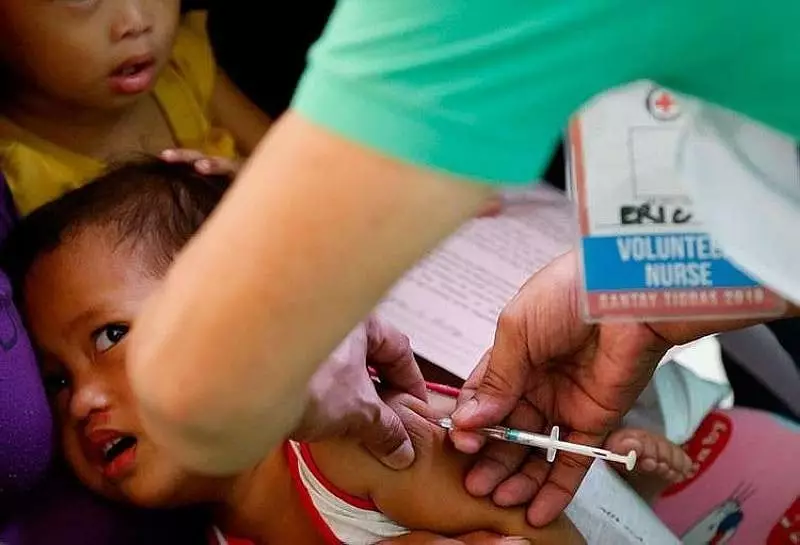
The Department of Health (DOH) has initiated a critical public health campaign aimed at protecting nearly three million children in Mindanao from measles and rubella. The large-scale immunization effort, launched in General Santos City, seeks to address a significant concentration of cases in the southern region.
Massive Immunization Target for Mindanao's Children
During the campaign launch on Monday, January 19, 2026, Health Secretary Teodoro Herbosa announced the ambitious goal. The DOH is targeting to vaccinate approximately 2.8 million children across Mindanao. The campaign focuses on children aged 6 to 59 months, a critical demographic for preventing the spread of these highly contagious diseases.
Secretary Herbosa emphasized the scale of the operation, stating the health department is mobilizing resources to reach every eligible child in the region during the activity period.

Addressing High Measles Incidence in the South
The choice of Mindanao for the first phase of the national Measles-Rubella Supplemental Immunization Activity (MR-SIA) was data-driven. Herbosa revealed that Mindanao accounted for 42 percent of the country's measles cases in 2025. Out of 5,159 nationwide cases, a staggering 2,172 were reported from the region.
The health chief directly linked the high number of infections to a concerning rate of unvaccinated children. "There are many measles cases since many are unvaccinated there," Herbosa explained, underscoring the campaign's urgent purpose to close this immunity gap.
Campaign Timeline and Public Health Push
Phase 1 of the MR-SIA campaign commenced on January 19 and is scheduled to run until February 13, 2026. This intensive, nearly month-long push will involve health workers across Mindanao's provinces and cities to administer the vital vaccines.
The DOH's initiative represents a proactive step to curb potential outbreaks and safeguard community health. By focusing on the area with the highest burden of disease, health authorities aim to create a stronger protective barrier for the country's youngest and most vulnerable population.