Iran's Supreme Leader Killed in US-Israeli Airstrikes, Nation Declares 40 Days of Mourning
In a dramatic escalation of regional tensions, Iran confirmed early on Sunday, March 1, 2026, that its Supreme Leader Ali Khamenei was killed in airstrikes conducted by the United States and Israel the previous day. The confirmation came from official Iranian sources, marking a pivotal moment in the ongoing conflict in the Middle East.
Official Announcement and National Response
Iran's Nour News, which is affiliated with the country's Supreme National Security Council, reported that Ali Khamenei "attained martyrdom while carrying out his duties at his office" during the attacks. In response to this profound loss, the Iranian cabinet swiftly issued a statement, as reported by the official news agency IRNA, declaring a period of 40 days of national mourning. This extended mourning period reflects the deep impact of Khamenei's death on the nation, given his leadership of over 37 years.
Accusations and Vows of Retribution
The Iranian government's statement did not mince words, condemning the airstrikes as a "brutal attack by the criminal US government and the sinister Israeli regime." It praised Khamenei for having led Iran "sagaciously" throughout his lengthy tenure, highlighting his role in shaping the country's policies and identity. Furthermore, the government vowed that the perpetrators of what it termed a "major crime" would be held accountable. Iran pledged to ensure that those responsible "regret their actions," signaling potential retaliatory measures in the wake of this incident.

Broader Context and Immediate Aftermath
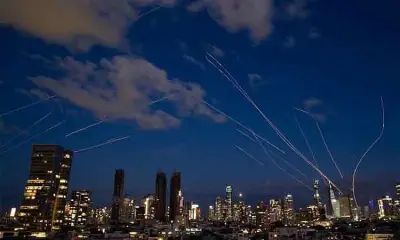
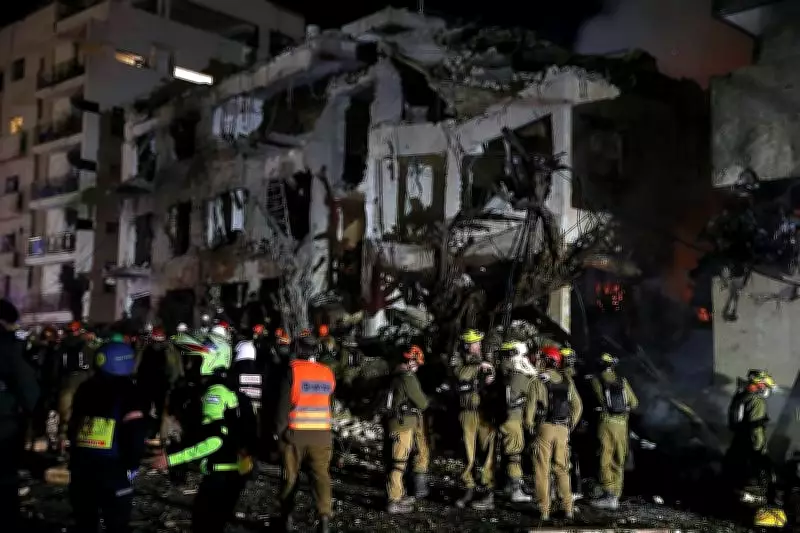
This development follows reports of ballistic missile fire from Iran causing damage in Tel Aviv, Israel, earlier on March 1, 2026, as members of Israeli security and rescue forces worked at the scene. The killing of Khamenei adds a new layer of complexity to the already volatile situation, with implications for regional stability and international relations. As Iran enters a period of mourning, the world watches closely for further responses from both Tehran and the involved foreign powers.