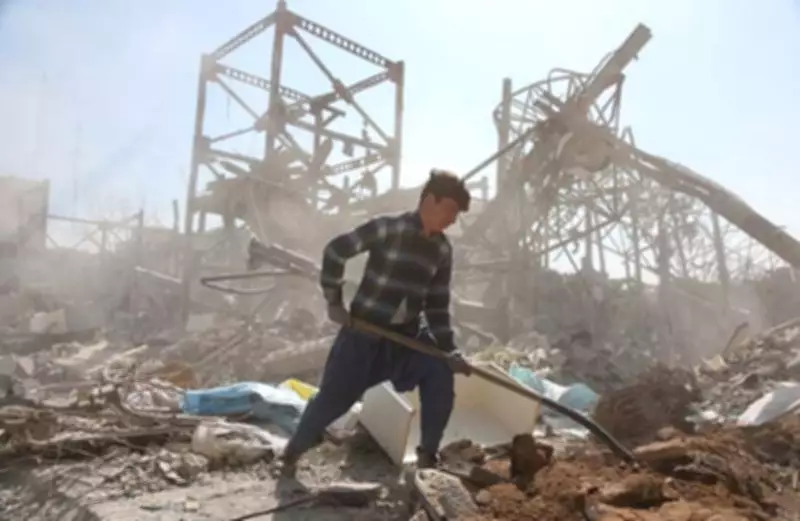
Philippine authorities have raised alarms over the escalating Middle East conflict, warning that it could persist for four to eight weeks, with significant repercussions for Overseas Filipino Workers (OFWs) and the national economy. During a Senate Committee on Migrant Workers hearing on March 4, 2026, Department of Foreign Affairs (DFA) Assistant Secretary Germinia Usudan emphasized the government's deep concern regarding the ongoing turmoil.
Impact on OFWs and Economic Stability
Usudan detailed that the conflict poses a direct threat to the approximately 2.4 million Filipinos employed across Middle Eastern nations. She highlighted potential disruptions to oil supplies and subsequent increases in the prices of essential commodities, which could strain both OFWs and the Philippine economy. The situation is particularly critical around the Strait of Hormuz, a vital maritime route through which 20 percent of global oil passes, now affected by the hostilities.
Uncertain Timeline and Strategic Monitoring
Adding to the uncertainty, Department of National Defense Assistant Secretary for Strategy and Policy, Jeffrey Hechanova, stated that predicting the conflict's duration is challenging due to its fluid nature. He explained, "Due to the fluidity of the situation... it's difficult to provide a legitimate timeline because there are actions and counteractions from each country involved." This underscores the complexity of the geopolitical landscape and the need for continuous assessment.

The Philippine government is actively monitoring developments to mitigate risks, focusing on safeguarding OFWs and stabilizing economic indicators amid the volatile conditions. Officials urge preparedness and vigilance as the conflict evolves, with potential long-term effects on regional stability and global markets.