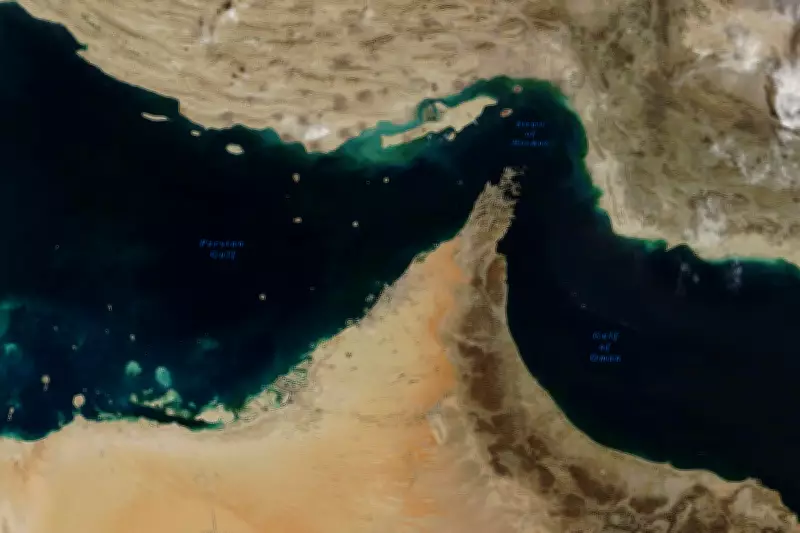
The United Nations Security Council is scheduled to hold a crucial vote this Tuesday, April 7, on a resolution specifically designed to protect commercial shipping vessels navigating the strategically vital Strait of Hormuz. This critical maritime chokepoint is a lifeline for global oil and trade flows, making its security a paramount international concern.
Diplomatic Maneuvering and Draft Proposals
Bahrain, the current rotating chair of the Security Council, has been actively shepherding the process, presenting various draft resolutions in an effort to craft a proposal capable of garnering the necessary support. The primary diplomatic challenge has been navigating the anticipated opposition from permanent council members China and Russia.
The latest iteration of the draft represents a significant compromise. It explicitly prohibits the authorization of force, a key point of contention. Instead, the resolution strongly encourages interested states to engage in cooperative defense measures to ensure safe passage through the strait.

Proposed Cooperative Security Measures
The draft outlines potential contributions from willing nations, which could include:
- Providing naval escorts for merchant and commercial vessels.
- Undertaking concerted efforts to prevent any attempts to block, close, or unlawfully interfere with international navigation in the Hormuz Strait.
This cooperative framework aims to de-escalate tensions while addressing security concerns without unilateral military action.
Uncertain Prospects for Passage
According to diplomatic sources, there is a chance this "watered-down version" of the resolution could pass. However, its success remains uncertain. UN Security Council procedure requires at least nine affirmative votes from the fifteen-member body and, critically, no vetoes from any of the five permanent members: the United States, China, France, Russia, and the United Kingdom.
The opposition is not merely speculative. Last Thursday, China formally expressed its objections to any earlier draft that permitted the use of force. A Chinese representative argued that such language would illegitimatize the indiscriminate use of military power, potentially leading to a dangerous escalation of the regional situation with serious global consequences.
The final vote will test the international community's ability to find common ground on securing one of the world's most important shipping lanes amidst great power disagreements.