Duterte's Legal Team Takes Health-Based Appeal to ICC's Highest Level
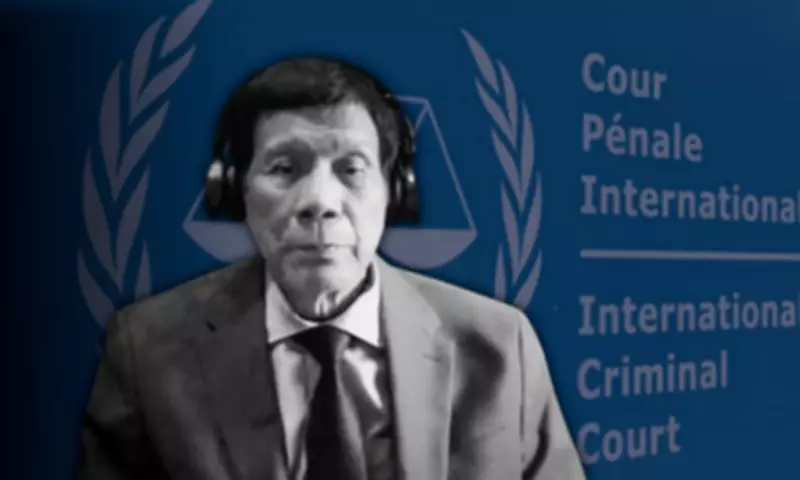
In a significant legal maneuver, the defense team representing former Philippine President Rodrigo Duterte has escalated its fight for his freedom by filing an appeal with the International Criminal Court's Appeals Chamber. This move directly challenges a previous ruling from the ICC Pre-Trial Chamber that maintained Duterte's pre-trial detention status, despite mounting concerns about his declining physical and neurological condition.
Medical Evidence at the Heart of the Appeal
The appeal, formally submitted on February 5, 2026, and led by prominent lawyer Nicholas Kaufman, centers on what the defense describes as the lower chamber's failure to properly evaluate new and compelling medical evidence. According to the legal brief, this evidence fundamentally alters the justification for keeping Duterte in detention.
The defense is invoking Article 60(3) of the Rome Statute, which mandates that the ICC must conduct regular reviews of detention orders and adjust them when significant circumstances change. Duterte's lawyers argue that a recent independent medical assessment, conducted by a neurologist and neuropsychologist, represents precisely such a change in circumstances.

Findings presented to the Appeals Chamber reportedly detail serious cognitive and neurological impairments affecting Duterte's executive functioning, judgment, and decision-making abilities. The defense contends that these impairments, combined with Duterte's advanced age and overall physical frailty, effectively nullify the prosecution's arguments that he poses any meaningful risk if released under strict court-imposed conditions.
Allegations of Unequal Evidence Treatment
Beyond the health arguments, the appeal raises serious procedural concerns. The defense has accused the Pre-Trial Chamber of applying an uneven standard when evaluating medical evidence. Specifically, the legal team questions why reports from a court-appointed medical panel were accepted without rigorous scrutiny, while the defense's own submitted medical findings were seemingly rejected outright.
This approach, according to the appeal, violates the fundamental legal principle of "equality of arms," which requires that submissions from both the prosecution and defense be given balanced and fair consideration. The brief asserts that ICC practice dictates evidence should be weighed based on its relevance and credibility, not its source.
By allegedly excluding the defense's medical report, the chamber is accused of reducing the detention review to a mere procedural formality rather than the substantive reassessment required by law. The defense maintains that Duterte's health is the only dynamic factor in the case, as the nature of the charges against him remains static, making a fresh evaluation of his detention not just appropriate but legally obligatory.
Pushing for Conditional Release and Warning of Consequences
As relief, Duterte's legal team has requested the Appeals Chamber to overturn the Pre-Trial Chamber's decision and order his immediate conditional release to a cooperating State Party. This release would be subject to any safeguards the Court deems necessary to ensure the integrity of the proceedings.
The appeal includes a stark warning about the potential consequences of continued detention. It argues that holding Duterte as his health deteriorates could ultimately undermine the fairness of the trial itself and place an unnecessary strain on judicial resources. This is particularly true, the defense notes, if his cognitive decline reaches a point where he can no longer participate meaningfully in his own defense.
The legal document explains, "No consideration was given to the fact that, given his age and vascular risk profile, Mr. Duterte's memory will continue to depreciate just as the need for recollection and mental acuity sharply increases. This failure... has not only polluted the fairness of the present proceedings but is also an injudicious use of resources."
This appeal marks a critical juncture in the long-running legal saga surrounding the former Philippine leader, shifting the focus squarely onto humanitarian and procedural grounds within the framework of international law.