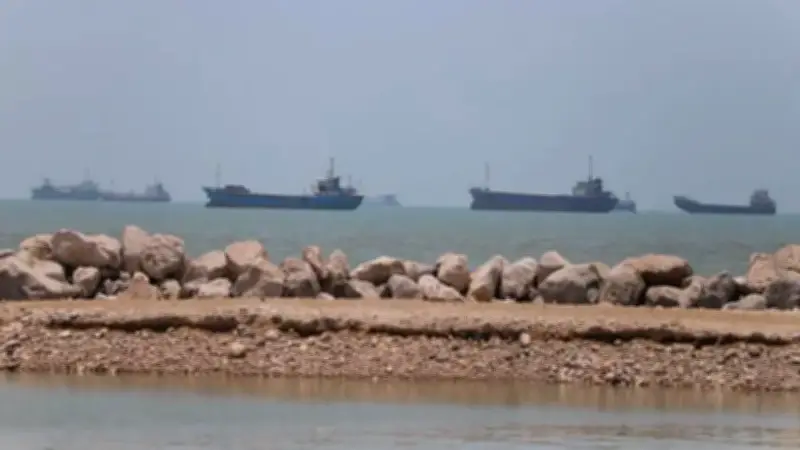
The United States has announced the cessation of its naval blockade against Iran following the signing of an agreement between the two countries aimed at ending tensions in the Middle East. According to the US Central Command, the blockade was lifted in accordance with a directive from US President Donald Trump. As a result, the Strait of Hormuz, a crucial route for oil and other cargo ships, has been reopened.
Details of the Agreement
The agreement includes the immediate suspension of US military operations if Iran complies with its terms. Conditions include Iran destroying its stockpile of enriched uranium and ceasing funding for allied armed groups in the region. Although the agreement has been implemented, Iran's Supreme Leader Mojtaba Khamenei expressed doubts, stating he was not entirely in favor but allowed it to proceed after receiving assurances from Iranian President Masoud Pezeshkian. Khamenei emphasized that the agreement does not mean Iran will submit to further negotiations with the United States.
International Reactions
President Trump stated that he expects all parties to adhere to the ceasefire to continue peace talks. Israeli Prime Minister Benjamin Netanyahu expressed support for the agreement, highlighting the importance of strong US-Israel relations. However, some officials in his cabinet voiced opposition. The agreement stipulates an end to all hostilities, reopening of the Strait of Hormuz, prevention of Iran from acquiring nuclear weapons, and establishment of a $300 billion fund for Iran's economic recovery and development.

Despite the agreement, attacks between Israel and the Hezbollah group in Lebanon remain active. Israel stated that its operations against Hezbollah are separate, while Iran claimed that the US agreement includes a cessation of war in Lebanon.