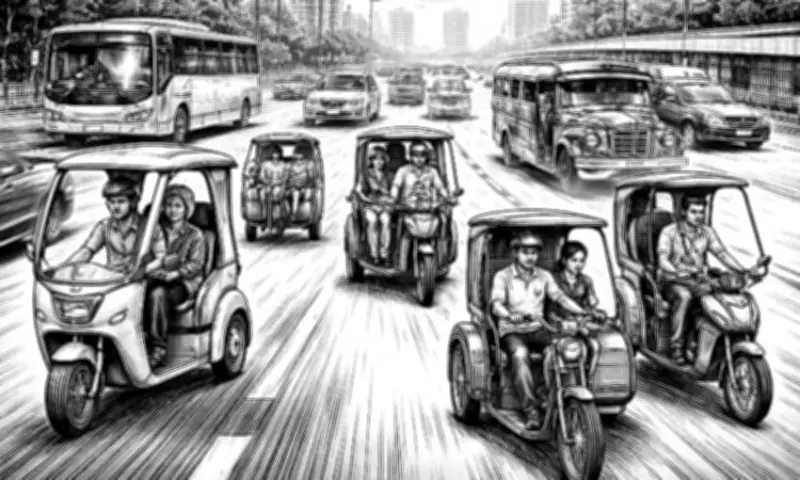
As oil prices continue to surge due to escalating tensions in the Middle East, Cebu City's move to permit electric vehicles on major roads reflects a desperate scramble by officials for immediate solutions. While this initiative may alleviate the current economic strain, it simultaneously threatens passenger safety, highlighting a critical dilemma in urban transport policy.
The Economic Pressure Behind the Decision
The relentless rise in petroleum prices has directly impacted the livelihoods of drivers and the daily expenses of commuters, creating an urgent need for affordable alternatives. In this context, Councilor Edgardo "Jaypee" Labella II's proposal aims to introduce transportation options that are cheaper and less reliant on imported oil. The use of e-trikes, e-carts, and e-cars could serve as a practical response to the crisis, especially if deployed swiftly and focused on public needs.
Safety Risks in Rapid Implementation
However, hastening this implementation carries significant risks. Authorities have long recognized that slow-moving electric vehicles are unsuitable for mixing with fast-paced traffic on major thoroughfares. The possibility of accidents cannot be dismissed, particularly without clear lane-sharing systems, speed regulations, and strict enforcement of traffic laws. Public safety must not be compromised, even in the eagerness to provide quick fixes.

Balancing Urgency with Prudent Planning
While the initiative demonstrates the local government's willingness to address the crisis, it must be executed with careful planning and comprehensive study. The public's need is clear: affordable, safe, and reliable travel. This cannot be met by a single resolution alone but requires a robust and long-term transportation policy that integrates sustainability with security.
The situation underscores a broader challenge in urban management, where economic pressures often clash with safety standards. As Cebu City navigates this path, the outcome will likely influence similar decisions in other regions facing oil price volatility.