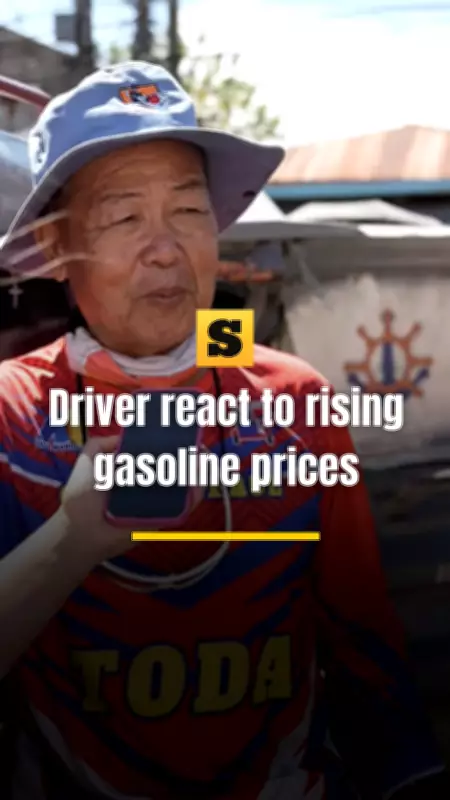
Drivers React to Rising Gasoline Prices in the Philippines
In response to the recent surge in gasoline prices across the Philippines, drivers from various sectors have voiced their concerns and frustrations. The increase, which has been attributed to global market fluctuations and supply chain issues, is putting a significant strain on the daily lives and livelihoods of many Filipinos who rely on vehicles for transportation and work.
Impact on Daily Commutes and Livelihoods
For many drivers, the rising fuel costs are not just an inconvenience but a serious financial burden. Jeepney and taxi drivers, in particular, report that their earnings have been severely affected, as they struggle to cover both fuel expenses and daily operational costs. Some have resorted to reducing their working hours or taking on additional jobs to make ends meet.
Public utility vehicle (PUV) operators are also feeling the pinch, with many considering fare hikes to offset the increased expenses. However, this move is met with resistance from commuters who are already grappling with their own financial challenges.

Adaptation Strategies and Community Support
In light of the situation, drivers are adopting various strategies to cope with the rising prices. These include:
- Optimizing routes to minimize fuel consumption
- Car-pooling with fellow drivers to share costs
- Switching to more fuel-efficient vehicles where possible
- Seeking out gas stations offering discounts or promotions
Community initiatives have also emerged, with some local groups organizing fuel subsidy programs or advocacy campaigns to call for government intervention. Drivers are banding together to share tips and support each other during these challenging times.
Government Response and Future Outlook
The Philippine government has acknowledged the issue and is exploring measures to alleviate the impact on drivers and the general public. Discussions are ongoing regarding potential subsidies, tax adjustments, and long-term solutions such as promoting alternative energy sources.
As gasoline prices continue to fluctuate, drivers remain hopeful for relief but are also preparing for the possibility of further increases. The situation underscores the broader economic pressures facing the country and highlights the need for sustainable transportation policies.
This report is based on interviews and observations from drivers across the Philippines, reflecting the widespread impact of rising fuel costs on the transportation sector.