A concerning health trend is emerging in Cebu, where individuals as young as their 20s and 30s are now being diagnosed with serious chronic conditions traditionally associated with older age. Medical professionals are raising the alarm over the rising cases of heart disease, stroke, and diabetes among the province's youth.
Busy Lifestyles and Dietary Shifts Fuel the Crisis
Dr. Debrah Custodio, Chief of Clinics and Head of the Emergency Department at ARC Hospitals, pinpointed modern lifestyle choices as a primary driver. "We are so busy, we cannot even prepare our own food," she stated on Thursday, January 15, 2026. She observed that Cebuanos increasingly rely on food delivery due to tight schedules or a lack of cooking skills, leading to frequent consumption of fast food.
This is compounded by the growth of the Business Process Outsourcing (BPO) industry and the proliferation of graveyard shifts. Dr. Custodio explained that night work and irregular eating patterns associated with these jobs are significant contributors to the uptick in chronic diseases among young adults aged 20 and above.

Alarming Statistics and Silent Symptoms
The data underscores a national and local health emergency. According to the Philippine Statistics Authority (PSA) from January to April 2025, the leading diseases affecting the nation included heart disease, cancer, stroke, pneumonia, and diabetes.
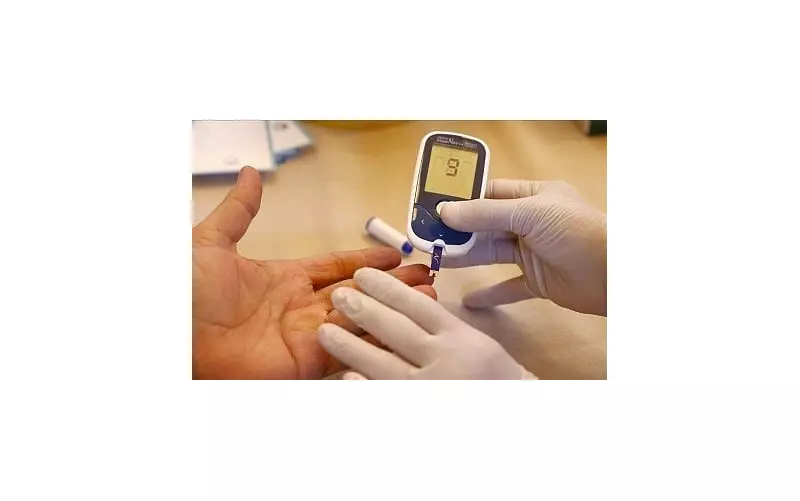
Focusing on Cebu, Dr. Custodio revealed a staggering figure: an estimated 66,000 individuals in the province have been diagnosed with diabetes at a young age. She also cited the popularity of fast-food chains offering "unli-rice" promotions as a key factor in the rising diabetes cases.
Many remain unaware of their condition because symptoms can be subtle. Warning signs for diabetes include:
- Excessive thirst
- Frequent urination
- Sudden weight loss
- Easily feeling fatigued
- Recurring infections
Dr. Custodio strongly recommends regular screening, especially for those who are sedentary, overweight, or have a family history of the disease.
A Call for Proactive Health and Lifestyle Change
Heart disease, described by Dr. Custodio as a "silent killer," demands equal vigilance. Minor symptoms like chest pain or tightness that radiates to the arm and jaw should never be ignored and require immediate consultation.
She urges Cebuanos to adopt a heart-healthy lifestyle, which involves fundamental changes:
- Eating a balanced diet low in salt and fat.
- Engaging in regular exercise.
- Managing stress effectively.
- Avoiding tobacco and limiting alcohol.
- Ensuring adequate sleep.
Prioritizing health through scheduled check-ups, acting promptly on test results, and heeding a doctor's advice is crucial. Prevention through proper diet and lifestyle modification, alongside staying updated on vaccinations, plays a massive role in safeguarding long-term well-being.