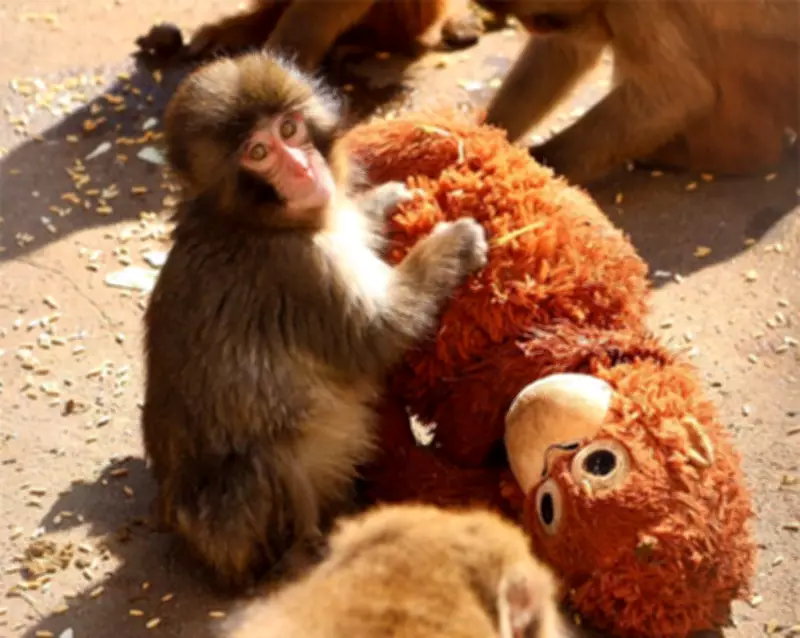
In a heartwarming tale of resilience, Punch, a seven-month-old Japanese macaque at Ichikawa City Zoo, has captured global attention. The infant monkey went viral after videos surfaced showing him clutching and cuddling a stuffed orangutan toy, a poignant substitute for his mother who abandoned him during a severe heat wave.
Viral Sensation Sparks Empathy
Footage of the lonely macaque, struggling to bond with his troop and instead clinging to a long-armed plush from IKEA, spread rapidly across social media platforms. The videos, shared on TikTok, Instagram, and X under the hashtag #HangInTherePunch, highlighted how baby macaques instinctively hold onto their mothers for security. Reports indicate that zoo staff provided the toy as a source of comfort during Punch's most vulnerable period, offering emotional support when he needed it most.
Breakthrough in Social Development
Now, there is encouraging progress in Punch's journey. Recent videos document the young macaque beginning to groom and interact with other monkeys in his enclosure, a critical step in primate social bonding. Matt Lovatt of Trentham Monkey Forest emphasized the significance of this behavior in an interview with BBC Breakfast on February 21, 2026.

"It's been great to see him starting to groom, because that's the key way these primates can start to build up friendships with the monkeys within their group," Lovatt stated. This grooming activity is essential for building trust and establishing social hierarchies among macaques.
From Solace to Socialization
Zoo officials believe the stuffed orangutan served as a transitional object, providing Punch with the comfort necessary to eventually engage with his own kind. As he grows more confident, he is gradually letting go of the toy and forging connections within his troop. This development underscores the importance of enrichment items in animal care, especially for orphaned or distressed individuals.
The story of Punch not only showcases the emotional complexity of primates but also raises awareness about the impacts of environmental stressors, such as heat waves, on wildlife behavior. His progress offers hope and highlights the dedication of zoo professionals in supporting animal well-being through innovative and compassionate methods.