Cebu Pedestrian's Close Calls Highlight Traffic and Personal Health Journey
In a startling series of events, a Cebu resident experienced two near-misses with jeepneys running red lights within a single week, underscoring persistent traffic safety issues in the city. The incidents occurred at the intersection of Osmeña Boulevard and R.R. Landon Street, where the pedestrian narrowly avoided being hit while crossing with a green light.
Details of the Dangerous Encounters
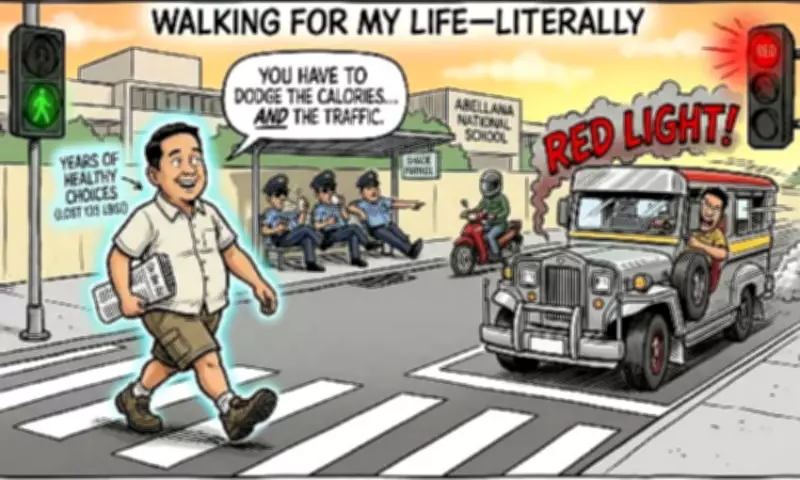
The first incident took place at night as the individual was walking from the PRO 7 headquarters to the Abellana Police Station after work. Just three days later, a second close call happened in the afternoon while crossing from Abellana National School to Cebu Normal University. In both cases, jeepneys ignored traffic signals, zipping past within a meter of the pedestrian, raising alarms about road safety.
This experience has fueled frustration, especially given the resident's reliance on walking as a key component of a major lifestyle overhaul. For nearly eight years, since moving from Banilad to Sambag 1, walking has been the primary mode of transportation for daily activities like work, grocery shopping, and visiting malls—all within a 30-minute radius.

A Transformative Health Journey
The commitment to walking stems from a profound personal health transformation. Previously, the individual led a sedentary life, driving or taking cabs everywhere, with minimal exercise beyond stair-climbing. Habits included smoking two packs of cigarettes daily, nightly drinking, and occasional tennis matches followed by binge-eating, leading to a weight of nearly 300 pounds.
A turning point came at age 40 during a comprehensive medical checkup, including a colonoscopy. A physician, displaying excellent bedside manner, advised quitting smoking, stopping drinking, and losing weight. While the resident initially resisted giving up alcohol and cigarettes, a gradual effort began, focusing on weight loss through increased walking.
Over two years, the weight dropped from almost 300 pounds to 165 pounds. Smoking cessation followed a hospital stay for dangerously low potassium levels about a decade ago, though moderate drinking continues. Despite a minor weight gain during the pandemic, the individual maintains a healthier lifestyle, often walking or jogging, which makes the recent traffic scares particularly disheartening.
Criticism of Traffic Enforcement
The near-accidents have sparked criticism of local traffic enforcers. During the afternoon incident, three officers were observed standing in the shade of a waiting shed, failing to intervene as the jeepney endangered pedestrians. This inaction contrasts with their enforcement against motorcycles in dedicated CBRT lanes, while ignoring clear parking violations nearby, such as vehicles parked illegally outside the PRO 7 headquarters.
The resident urges authorities to be more vigilant against red-light runners, emphasizing that walking—a habit that saved his life—should not be jeopardized by negligent driving. This story serves as a reminder of the challenges in balancing personal health commitments with urban safety concerns.