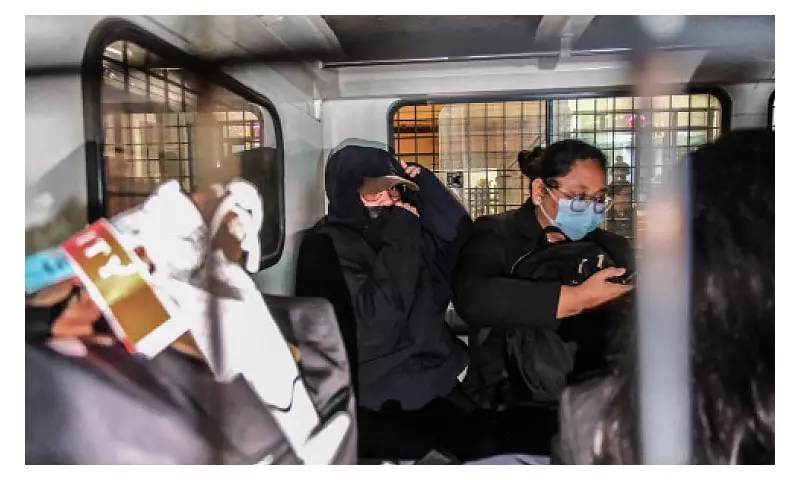
Ten individuals accused of involvement in a P96.5-million alleged ghost flood control project in Davao Occidental have entered not guilty pleas. Their arraignment proceeded on Tuesday, January 13, 2026, at the Regional Trial Court (RTC) Branch 27 in Lapu-Lapu City.
Court Denies Motions, Retains Jurisdiction in Cebu
The court proceeding followed the denial of motions to quash the criminal information and arrest warrants filed by the accused. RTC Branch 27 Judge Nelson Leyco rejected these motions, which were submitted on January 5, and affirmed that jurisdiction over the case would remain in Cebu.
Defense lawyers had argued that the case should be transferred to Malita, Davao Occidental, where the purported crime took place. Joseph Randi Torregosa, the lawyer for accused Rodrigo Larete of the DPWH Davao Occidental District Engineering Office, stated the Lapu-Lapu court lacks jurisdiction. He confirmed plans to challenge the ruling, potentially through a motion for reconsideration or a petition for certiorari to a higher court.

Pre-Trial and Defense Strategies
The accused include controversial contractor Sarah Discaya, Maria Roma Angeline Rimando of St. Timothy Construction, and eight DPWH Davao Occidental DEO officials. Their pre-trial conference is scheduled for February 3 in Lapu-Lapu City. This stage will involve identifying key issues and evidence for the trial.
In a separate legal move, Rimando's lawyer, Cornelio Samaniego III, announced he will file a motion for a joint ocular inspection. This aims to dispute the prosecution's claim that the flood control infrastructure was never built. Samaniego stated his client will cover all inspection costs.
Furthermore, Samaniego and other defense counsels indicated they intend to file petitions for bail for their clients.
Roots of the Case: A 'Ghost' Project
The charges stem from a flood control project in Davao Occidental that government auditors later flagged as non-existent or a 'ghost' project. Investigations revealed that the project, intended to improve drainage and prevent flooding in selected barangays, showed no signs of actual implementation.
Despite this, funds were reportedly disbursed without any corresponding physical outputs. The case involves charges of malversation of public funds and alleged violation of Section 3(e) of Republic Act 3019, the Anti-Graft and Corrupt Practices Act. Discaya, as the main contractor, and several DPWH officials were implicated for their alleged roles in the misuse of government funds.