The mysterious death of a key witness in a multi-billion peso public works corruption scandal has gripped the nation, raising painful questions about accountability and safety for those who dare to speak out.
A Fatal Fall and Mounting Suspicion
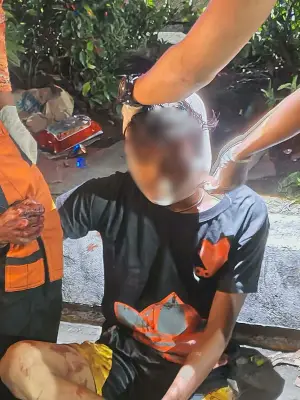
On Thursday, December 18, 2025, Ma. Catalina Cabral, 61, fell to her death from a cliff along Kennon Road in Tuba, Benguet. The location is estimated to be as high as a ten-story building. While the official investigation led by Department of the Interior and Local Government (DILG) Secretary Jonvic Remulla points to suicide, citing "blunt force trauma before jumping to death" and "no signs of foul play," a skeptical public and theory-driven circles suspect otherwise.
Many believe Cabral, described by a DPWH insider as a "key gatekeeper in the budgeting process," was pushed. The motive? To silence a potentially valuable witness to the looting of billions of pesos from public works funds. This theory is fueled by callous public comments wondering if other suspected thieves would "leap to their death too."

Contradictions in Character and Circumstance
Adding layers to the mystery are contradictions surrounding Cabral's persona. She once publicly disclosed that she feared heights, making a voluntary jump from a high cliff seem improbable to those who knew this fact. Furthermore, she was known to love the iconic anthem "I Will Survive," a song of resilience that contrasts starkly with an alleged act of suicide.
The autopsy, according to Remulla, found suicide to be the "probable reason." However, the phrase "blunt force trauma before jumping" and the absence of a clear note continue to fuel doubts and discussions online and in private sectors.
A Separate Graft Trial Moves to Cebu
In a related development, the legal proceedings for a separate alleged corruption case have taken a significant turn. Sara Discaya, an accused in a P96.5 million "ghost" project in Davao Occidental, was brought to a Lapu-Lapu City court over the weekend, clad in a disguise.
The Lapu-Lapu City Regional Trial Court (RTC) has now assumed full jurisdiction over two criminal complaints—malversation and graft—linked to the Davao Occidental project. These cases were initially filed with the Digos RTC. This transfer follows Supreme Court guidelines stating that corruption-related cases from infrastructure projects should be forwarded to the nearest designated anti-graft court in the nearest judicial region, a decision made by the presiding executive judge.
While Discaya was transferred, reports indicate her co-accused, contractor Marie Roma Rimando and eight other DPWH engineers, were apparently turned over to the custody of the National Bureau of Investigation (NBI). This move allows some Cebuanos the chance to witness the high-profile anti-graft trial firsthand in their local courtroom.
The tragic death of Catalina Cabral and the advancing trial of Sara Discaya collectively underscore the deep-seated issues and high stakes within the country's public works system, leaving the public demanding answers and justice.