ICC Prosecutors Detail Davao Death Squad's Role in Duterte's National Drug Campaign
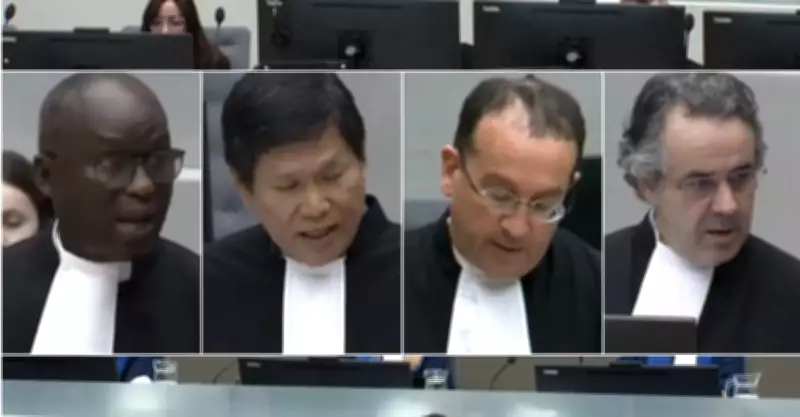
During a confirmation of charges hearing at the International Criminal Court, prosecutors presented a detailed analysis of how former Philippine President Rodrigo Duterte's anti-drug strategy evolved from local operations in Davao City to a nationwide campaign that resulted in thousands of deaths.
From Local Strategy to National Framework
Senior trial lawyer Julian Nicholls of the ICC Office of the Prosecutor explained that Duterte observed the effectiveness of his approach in Davao City and deliberately transformed it into a political strategy to secure the presidency. The systematic killings implemented in Davao served as the foundational framework for what would become the controversial drug war across the Philippines.
"Duterte clearly recognized that this strategy could elevate him to the highest office," Nicholls stated during the proceedings. "Upon his election, he fulfilled his campaign promise to eliminate drug personalities through lethal means."

Institutionalizing the Davao Model
Prosecutors emphasized that Duterte didn't merely adopt the tactical approach from Davao—he brought the actual personnel and structures to the national level. The liquidation squad known as the Davao Death Squad (DDS) became operational nationwide, with key figures from the local campaign assuming prominent roles in the national implementation.
"Several individuals involved in the Davao operations have been identified as co-perpetrators in the ICC case," Nicholls revealed. "What began as a local initiative became a systematic national campaign resulting in thousands of Filipino deaths."
Defense Claims Political Motivation
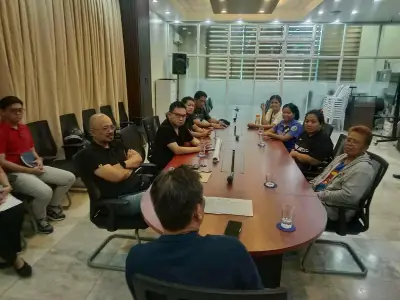
Meanwhile, Duterte's defense team presented counterarguments during the hearing. Attorney Alfredo Lim Jr. asserted that their side had advanced their position significantly through the arguments presented by Nicolas Kaufman regarding the former chief executive's perspective.
Defense lawyers Salvador Panelo and Silvestre Bello III supported this view, claiming the case has been politicized to bring Duterte under ICC jurisdiction. They maintained that the proceedings represent a political maneuver rather than a legitimate legal process.
No Remorse Demonstrated
Prosecutors noted a particularly troubling aspect of their investigation: Duterte has never shown remorse for the consequences of his drug war. Instead, he has consistently expressed pride in the campaign's outcomes, despite the documented human cost.
"Throughout his leadership and beyond, we have seen no indication of regret from the former president," Nicholls observed. "The tragic loss of thousands of Filipino lives appears to be a point of pride rather than reflection."
The confirmation of charges hearing represents a critical phase in determining whether the ICC will proceed to full trial against the former Philippine leader. Both prosecution and defense teams have presented their preliminary arguments, setting the stage for further legal proceedings that will examine the systematic nature of the anti-drug campaign and its human rights implications.