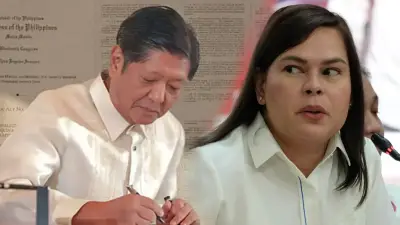
A significant political development unfolded on January 19, 2026, as the eleventh formal impeachment complaint was lodged against President Ferdinand 'Bongbong' Marcos Jr. at the House of Representatives. This move immediately ignited a national debate on whether the action serves the public good or is merely a politically motivated allegation driven by sectoral interests.
The Constitutional Mechanism and Its Real-World Application
Impeachment is, in theory, a constitutional tool designed to protect democracy and hold elected officials accountable for their actions. It upholds the fundamental principle that no one is above the law. However, in practice, the process often transforms into a political arena. The core issues can easily be drowned out by personal vendettas, partisan divisions, and the protection of self-interest.
If an impeachment complaint lacks a strong foundation, sincerity, and verifiable evidence, it risks remaining nothing more than an unsubstantiated allegation. Such a scenario is damaging on multiple fronts. It not only harms the reputation of the accused president but also erodes public trust in the very government institutions meant to uphold justice. A process intended to provide public clarity and peace of mind can instead become mired in doubt and perceived as a failure if weaponized for revenge or political gain.

The Potential for a Strengthened Democracy
Conversely, when an impeachment is grounded in clear facts and a genuine purpose to cleanse public service, it can serve a vital democratic function. It can demonstrate that the government is serious about accountability and protecting the people's welfare. Handled correctly and with integrity, the process can help strengthen the rule of law and reinforce Filipinos' confidence in their leaders.
The central question, therefore, extends beyond whether impeachment is useful. The more critical issues are what motivates it and how the process is managed. If impeachment becomes a stage for baseless allegations, it will remain a futile spectacle. But if employed correctly with the paramount goal of safeguarding the welfare of the majority, it can become a genuine instrument for strengthening democracy and protecting the interests of all Filipinos.
The filing of this latest complaint places the nation at a crossroads. Its handling will be a litmus test for the maturity of the country's political institutions and the primacy of the constitutional process over partisan maneuvering.