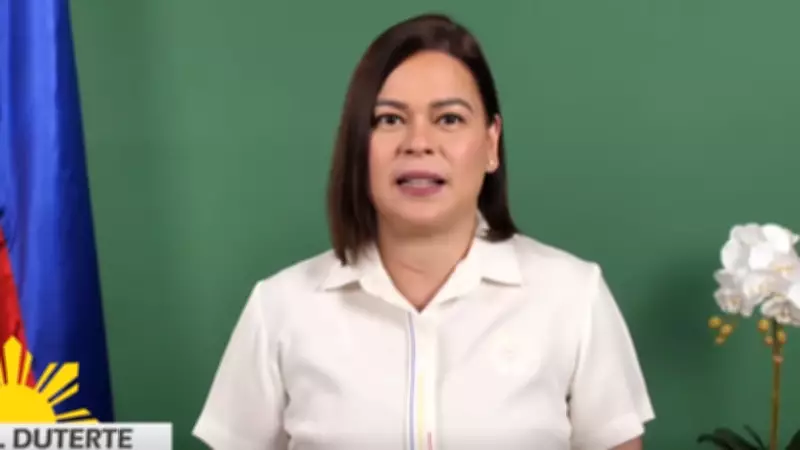
In a significant political development, forty complainants have voiced their profound disappointment following the House Committee on Justice's decision to set aside their impeachment complaint against Vice President Sara Duterte. The complaint, which was based on allegations of "betrayal of public trust," was dismissed during a hearing held yesterday, sparking controversy and legal scrutiny.
Constitutional and Procedural Grounds Cited
According to France Castro, a former Representative of the Alliance of Concerned Teachers (ACT) Party-list, the complainants assert that they did not violate any constitutional provisions or House rules when filing the complaint on February 6, 2026. However, the committee dismissed the case, citing the Supreme Court's one-year bar rule, which imposes a timing restriction on impeachment proceedings.
Interpretation Conflicts and Legal Challenges
The Makabayan bloc, which endorsed the complaint, acknowledged a conflict in interpreting the reckoning date for the impeachment process. This issue stems from a Supreme Court decision in 2025 that altered the definition of session days to calendar days, creating technical hurdles for the complaint. Castro emphasized that despite the court's adjustment of the reckoning date to January 15, 2028, this earlier ruling was used as the basis for rejecting their complaint.

Furthermore, the legal foundation for dismissing the impeachment complaint has been called into question. Critics argue that the application of the one-year bar rule in this context may not align with the intent of impeachment laws, raising concerns about procedural fairness and transparency in the political system.
Broader Implications for Governance
This dismissal highlights ongoing tensions within the Philippine political landscape, particularly regarding the accountability of high-ranking officials. The complainants' dismay reflects broader public sentiment about the effectiveness of impeachment mechanisms in upholding democratic principles and ensuring that leaders are held responsible for their actions.
As the debate continues, stakeholders are closely monitoring how such legal interpretations might impact future impeachment attempts and the overall trust in governmental institutions. The case underscores the complex interplay between judicial rulings and legislative processes in shaping political outcomes.