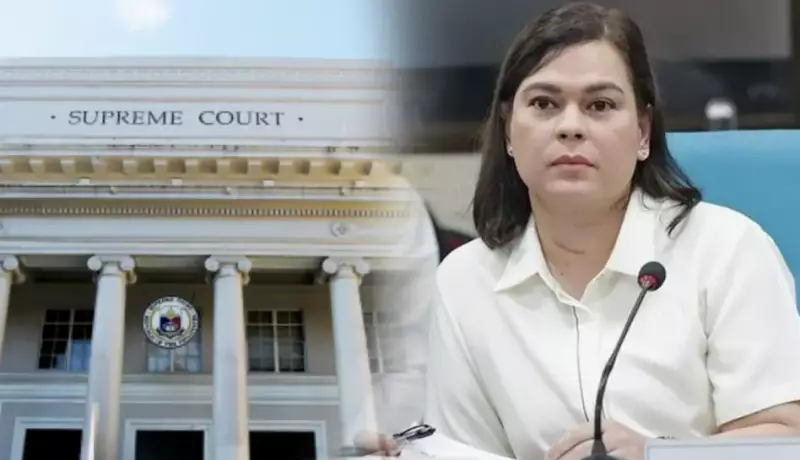
Pending SC Case on VP Sara Impeachment Seen as Hurdle to House Rules Amendment
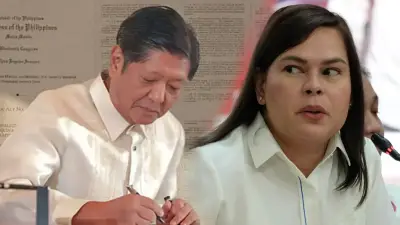
An unresolved Supreme Court case involving the impeachment complaint against Vice President Sara Duterte is emerging as a significant obstacle to the planned revision of impeachment rules in the House of Representatives, according to a former House Impeachment Prosecutor. In an exclusive interview with Bombo Radyo, Bukidnon 2nd District Representative Atty. Jonathan Keith Flores highlighted that a motion for reconsideration remains pending before the high court, seeking to overturn its earlier decision that declared the impeachment complaint unconstitutional.
Legal Stalemate Delays Congressional Action
Flores emphasized that the Supreme Court must issue a ruling promptly to enable the House to decide whether to proceed with amending its impeachment procedures. He explained that the court's delay in resolving the motion, filed on August 4, 2025, leaves the legislative body in a state of uncertainty. The initial complaint was struck down on July 25, 2025, for violating the one-year bar rule and failing to provide due process to the Vice President, which halted the Senate trial and led to the archiving of the case.
Proposed Revisions to Impeachment Rules
In light of the Supreme Court's ruling, Flores suggested potential revisions to the House impeachment rules to ensure compliance and strengthen future complaints. Key proposals include:

- Enhancing due process protections for officials facing impeachment.
- Requiring that all House members receive copies of the articles of impeachment along with supporting evidence before transmission to the Senate.
These changes aim to address the deficiencies identified by the court and prevent similar legal challenges. Earlier, Tingog Rep. Jude Acidre announced the Lower Chamber's intention to draft new impeachment rules aligned with the Supreme Court's decision, underscoring a push for more robust procedures.
Implications for Future Impeachment Proceedings
The ongoing legal impasse underscores broader concerns about the efficiency and fairness of impeachment processes in the Philippines. Without a resolution from the Supreme Court, the House risks enacting rules that may not fully account for judicial precedents, potentially weakening future impeachment efforts. This situation highlights the intricate balance between legislative autonomy and constitutional oversight in the country's political landscape.